
How to Choose the Right Filter Cloth?
Choosing the right filter cloth for a filter press is one of the key factors affecting filtration performance, processing efficiency, and service life. A suitable filter cloth can not only improve solid-liquid separation efficiency but also reduce operating costs and extend equipment lifespan. The following are several key factors to consider when choosing a filter press filter cloth.
Properties of the Filtration Medium
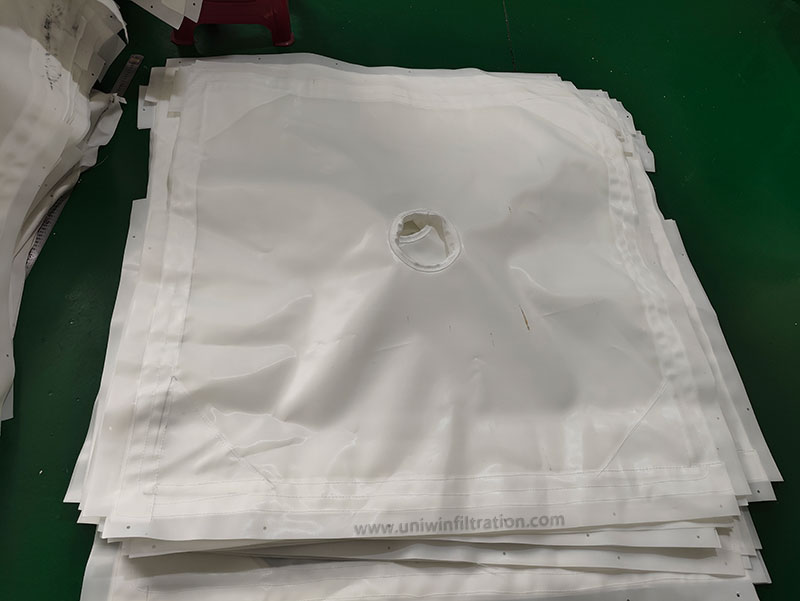
The material of the filter cloth must be compatible with the physical and chemical characteristics of the filtered material.
- Polyester: Strong acid resistance and wear resistance, suitable for general industrial wastewater and sludge treatment.
- Polypropylene: Strong alkali resistance and good hydrophobicity, suitable for the chemical industry and highly alkaline environments.
- Nylon: Wear-resistant and high-strength, suitable for high-strength filtration and abrasive materials.
- Polytetrafluoroethylene (PTFE): Resistant to strong acids and bases, and high temperatures, suitable for highly corrosive and high-temperature environments.
Filtration Accuracy of Filter Cloth
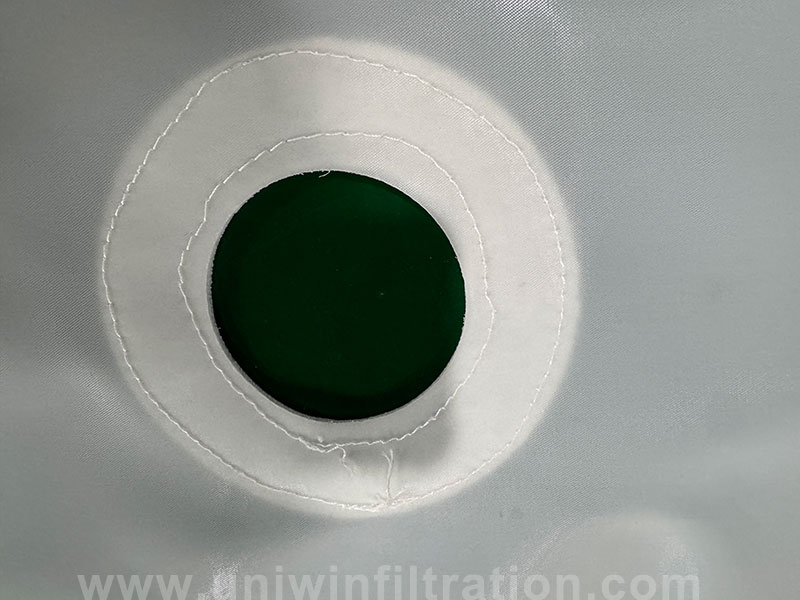
- For coarse particles (>50μm): Choose monofilament filter cloth, which has good water permeability and is easy to clean.
- For finer particles (5-50μm): Choose multifilament or composite fabrics for better filtration results.
- For very fine particles (<5μm) or colloidal substances: Membrane-coated filter cloth, such as PTFE-coated fabric, can be used to improve capture rate and dewatering efficiency.
Filter Press Types
Different types of filter presses (such as plate and frame, chamber, membrane, and gasketed) have different requirements for filter cloth.
- Plate and frame filter press: The filter cloth has corner openings and needs to precisely match the size of the filter plates.
- Chamber filter press: The filter cloth has a central opening, suitable for wrap-around installation.
- Membrane filter press: Requires high-pressure resistance, and the filter cloth should have higher mechanical strength.
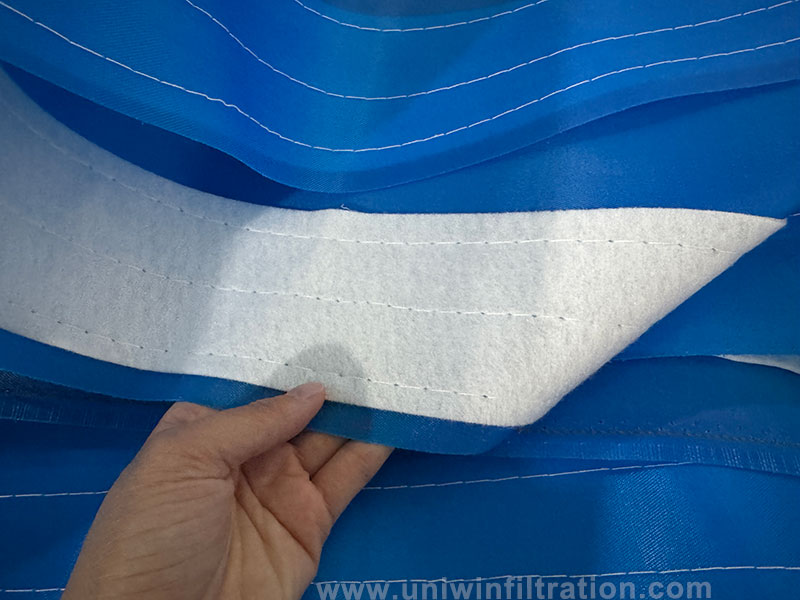
- Gasketed filter press: Gasketed filter plates have grooves at the edges for embedding sealing strips, and the edges of the filter cloth are usually wrapped with a flexible sealing strip.
Operating Conditions
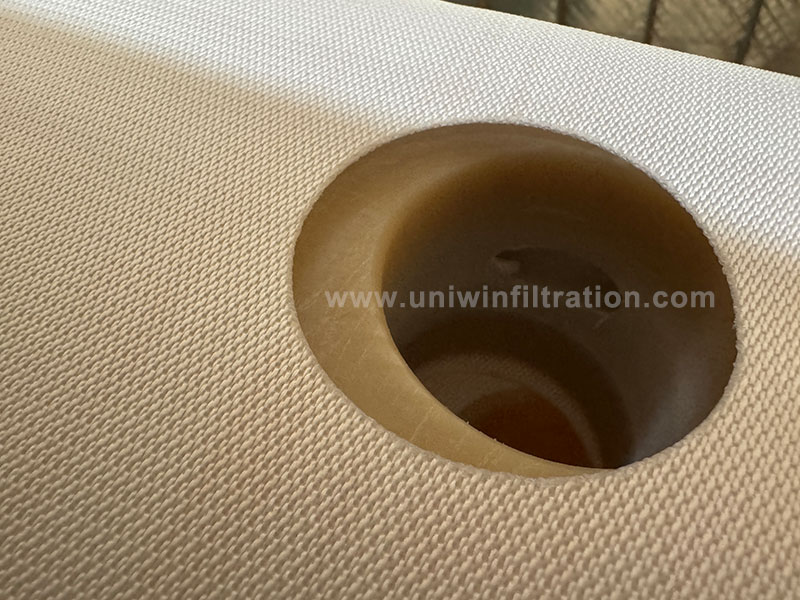
If the filter press operates in high-temperature, strong acid, or strong alkaline environments, filter cloth materials that can withstand these conditions should be selected.
- High temperature (>100°C): Use heat-resistant materials such as PTFE.
- Highly corrosive liquids: Choose PTFE or specially treated polyester.
- Frequent cleaning or backwashing: Select wear-resistant, high-strength filter cloth, such as monofilament filter cloth.
Conclusion
The selection of filter cloth needs to match the material characteristics, equipment structure, and process requirements. When selecting filter cloth, it is recommended to consult with the filter cloth supplier or filter press manufacturer, providing detailed material properties (such as pH value, particle size, temperature, and viscosity) and equipment parameters to obtain the best matching solution.
If you have specific industry applications or material information, please feel free to contact us. We can provide more targeted recommendations for filter cloth selection.