
How to Obtain a Clearer Filtrate?
To obtain a clearer filtrate, optimize the filtration process by focusing on the following key aspects to ensure the lowest possible solid impurity content in the filtrate, thereby achieving the desired clarity.
Selecting the Appropriate Filter Cloth
The filter cloth is one of the core factors determining the clarity of the filtrate.
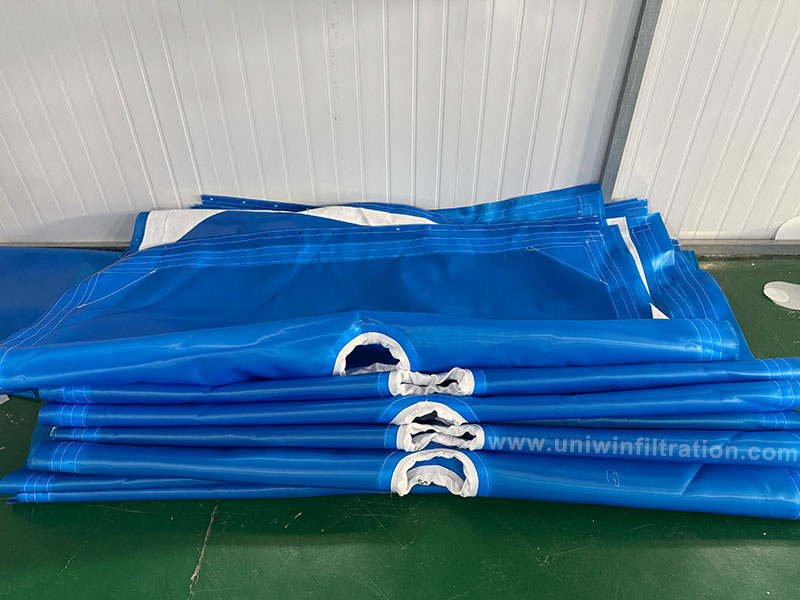
- Material Selection: Polypropylene filter cloth is commonly used in most applications, offering good filtration accuracy and chemical stability. For applications requiring higher clarity, finer filter cloths (such as monofilament or multifilament high-density woven filter cloths) can be used.
- Pore Size Matching: Select an appropriate pore size based on the particle size distribution in the slurry to prevent particles from penetrating the filter cloth.
Optimize Feed Concentration and Particle Size Distribution
- Moderate feed concentration: Too high a concentration can lead to excessively thick filter cakes, increasing resistance; too low a concentration may result in difficulty forming a filter cake and particle penetration.
- Uniform particle size distribution: Particles that are too small (such as colloids and fine mud) are more likely to pass through the filter cloth. Pre-treatment (such as flocculation or sedimentation) is recommended to form larger particle aggregates.
Using Filter Aids or Flocculants
- Filter aids (such as diatomaceous earth, bentonite): Applying a layer to the filter cloth before filtration forms a stable filter layer, which can significantly improve the clarity of the filtrate.
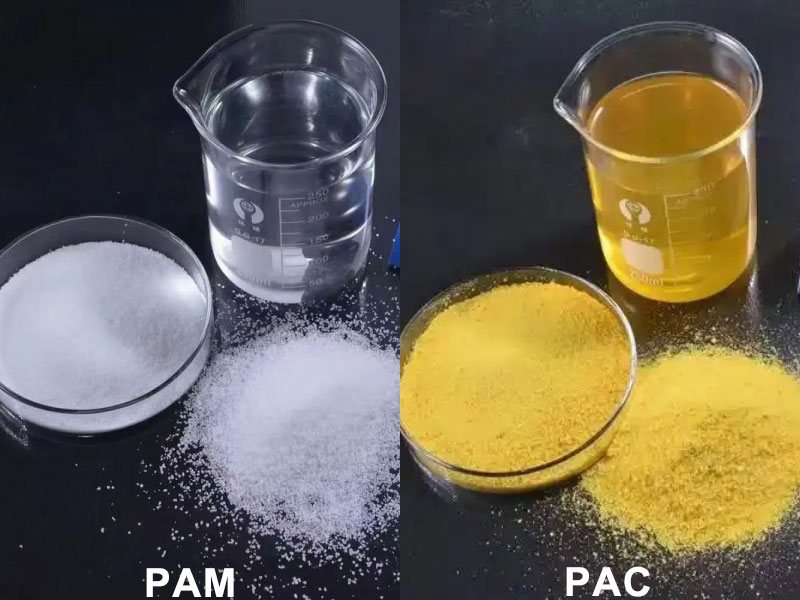
- Flocculants, Such as PAM and PAC, can flocculate fine particles into larger particles, making them easier to retain.
Control of Filtration Pressure and Time
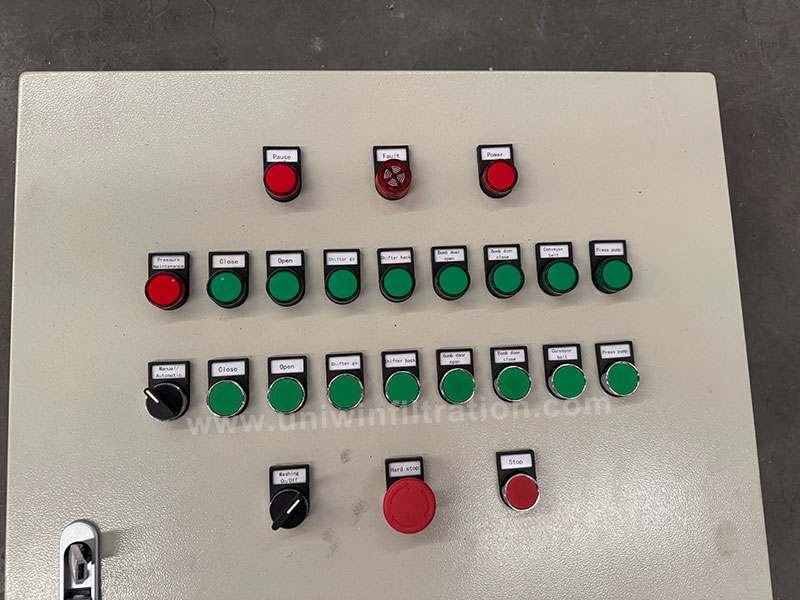
- Maintain filtration pressure within a reasonable range (generally 0.6 MPa): excessively high pressure may cause fine particles to penetrate the filter cloth, while excessively low pressure will affect efficiency.
- Extend filtration time: While not compromising efficiency, appropriately extending the filtration time helps to form a denser filter cake and improve clarity.
Regular Cleaning and Maintenance of Filter Cloth
- After prolonged use, the filter cloth may become clogged or scaled with fine particles, leading to a decrease in clarification efficiency.
- Regularly backwash or clean the filter cloth using acid or alkaline solutions.
- If the filter cloth is found to be damaged, hardened, or the filtrate is cloudy, it should be replaced promptly.
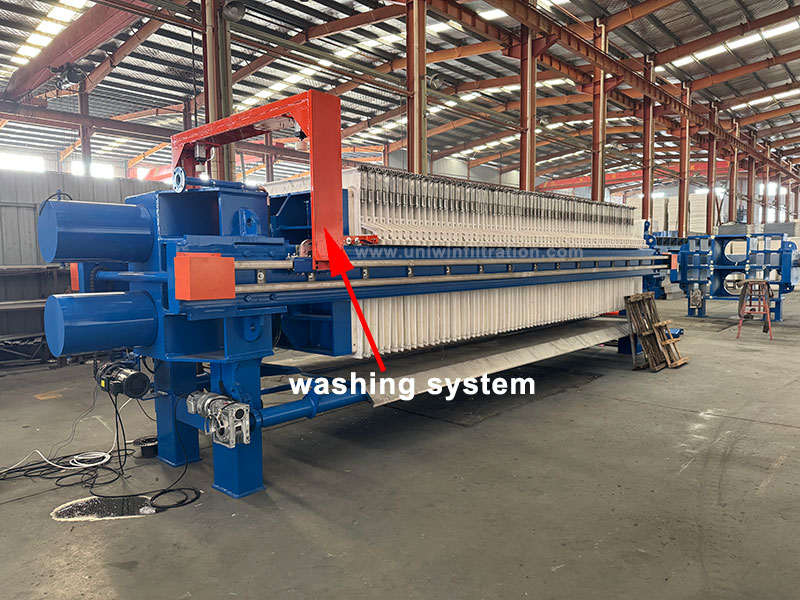
Choosing the Right Filtration Equipment
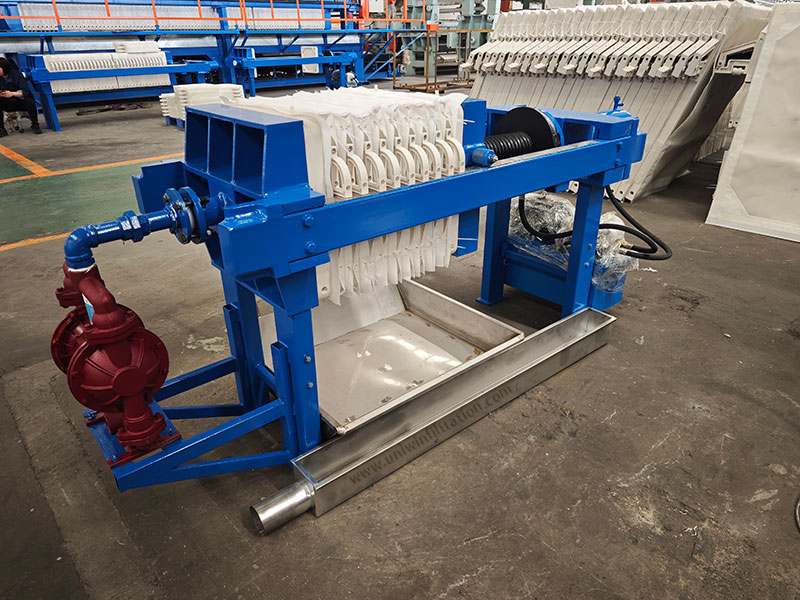
- Plate and frame filter press: Suitable for most industrial filtration applications, especially effective in processing viscous slurries containing a high proportion of fine particles.
- Diaphragm press filtration process: After the filter cake is formed, additional pressure is applied to further reduce the moisture content of the filter cake and help retain more fine particles.
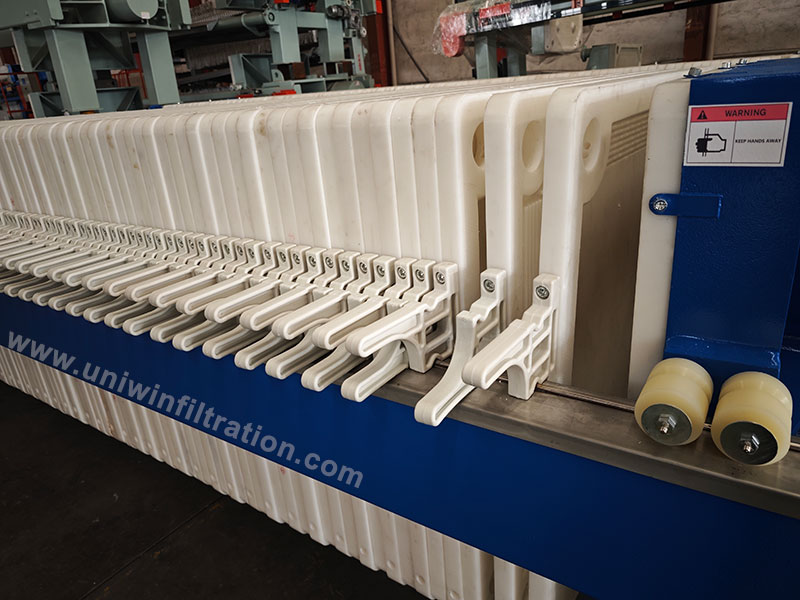
- Stainless steel filter press: Made of food-grade stainless steel, suitable for the food, chemical, and other industries.
Conclusion
In summary, the clarity of the filtrate depends on various factors, and appropriate measures need to be taken based on the actual situation to obtain a clearer filtrate and improve filtration efficiency.