
5 Factors Affecting the Wear of Filter Press Filter Cloths
The wear of filter press filter cloths directly affects the equipment’s filtration efficiency, filter cake dewatering effect, and service life. The following systematically analyzes the key factors affecting filter cloth wear, including slurry characteristics, cleaning procedures and operating methods, and the quality of the filter cloth itself.
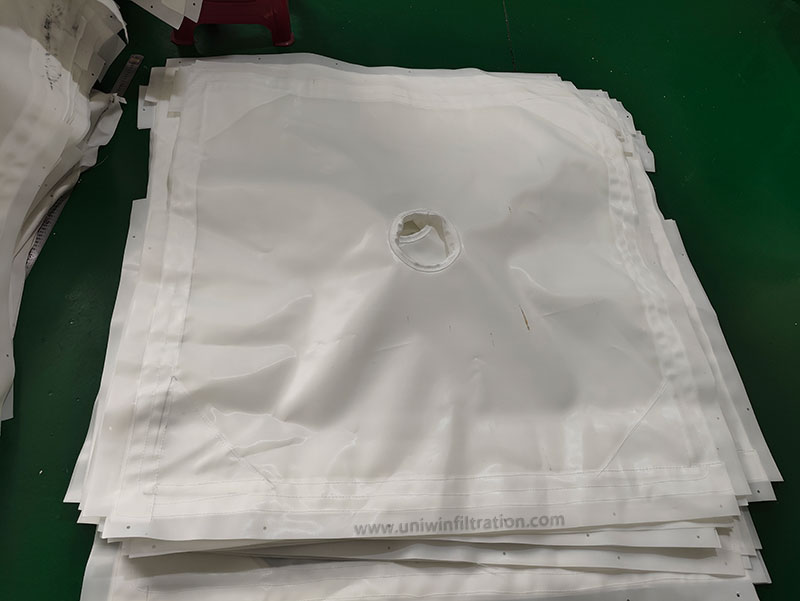
Slurry Characteristics
Particle hardness and shape
If the slurry contains a large number of hard particles (such as silica sand or mineral powder), especially irregular and sharp particles, it will cause strong friction on the filter cloth, accelerating mechanical wear.
Particle size distribution
Coarse particles can easily scratch the filter cloth, while fine particles can become easily embedded in the fibers, blocking the pores and leading to repeated friction during cleaning, thereby exacerbating fatigue damage.
Slurry pH and chemical corrosivity
Strongly acidic or alkaline slurries can cause chemical corrosion to the filter cloth fibers, especially polyester filter cloths, which are more susceptible to hydrolysis and breakage in high-temperature and high-alkaline environments.
Temperature
High-temperature slurries not only accelerate the aging of the filter cloth fibers but may also cause thermal shrinkage or deformation, resulting in uneven tension distribution and localized wear on the filter cloth.
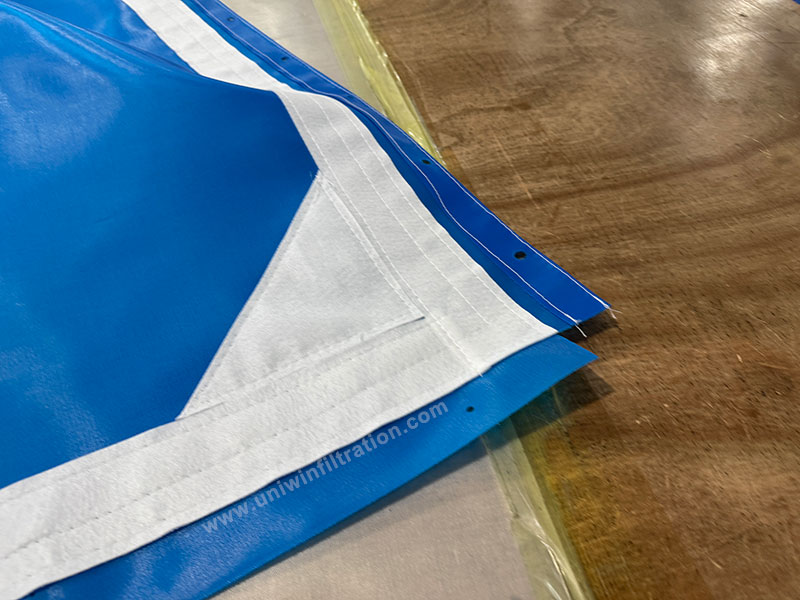
Cleaning Procedure
Improper cleaning frequency
Infrequent cleaning can cause filter cloth clogging, increasing filtration resistance and making the filtration process more intense, thus accelerating wear and tear. However, excessive cleaning can also cause fatigue due of mechanical scrubbing and chemical treatment.
Water pressure and cleaning angle
If the high-pressure water jet is applied at an inappropriate angle or with excessive pressure, it can directly damage the filter cloth fibers. Conversely, insufficient pressure will result in incomplete cleaning, leading to secondary wear.
Using chemical cleaning agents
Excessive concentration of cleaning agents, improper mixing ratios, or the use of unsuitable cleaning solutions can lead to degradation or embrittlement of the filter cloth material, making it more prone to damage.
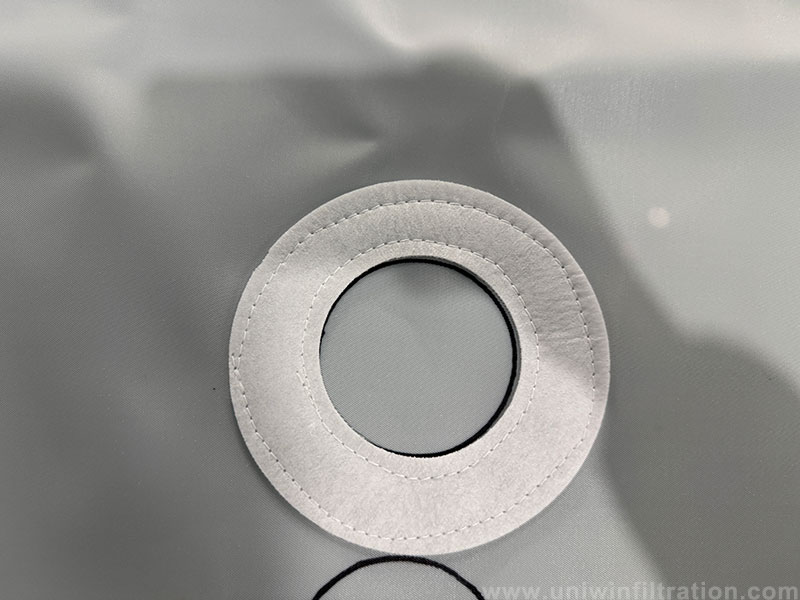
Filter Press Operating Modes
Opening and closing cycles
Frequent starting and stopping and opening and closing of the filter plates, and repeated pulling of the filter cloth edges, especially during manual cake discharge or manual cloth pulling, can lead to wear and tear and breakage of the edges.
Filtration cycle control
Discharging the filter cake before it is fully formed can easily cause the slurry to backflow into the inner layer of the cloth, leading to a sharp increase in pressure difference within the cloth and damaging the fiber structure.
Cake discharge method
When using high-frequency vibration or a scraper for cake discharge, improper methods or imprecise adjustments can exacerbate localized impact on the filter media.
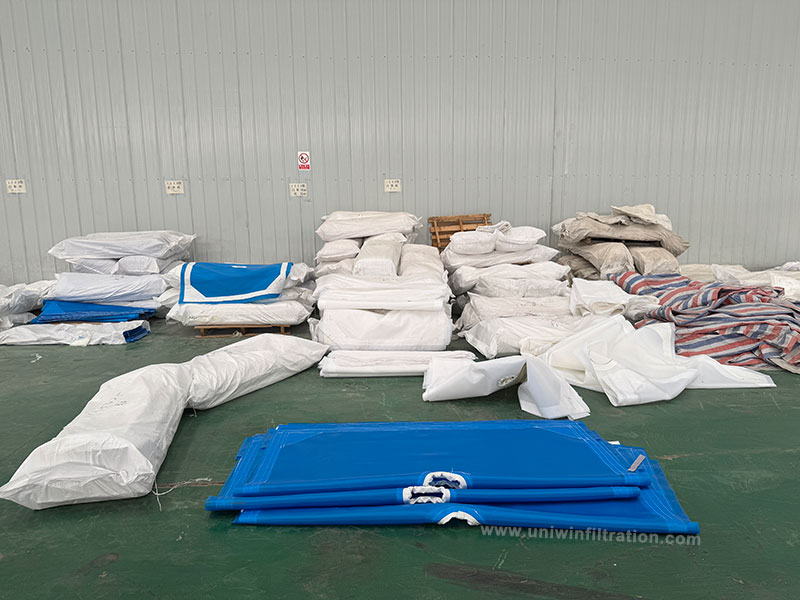
Filter Press Structure Problems
Poor filter plate flatness
Uneven or deformed filter plates or sealing surfaces can lead to insufficient compression of the filter cloth, resulting in slurry leakage and a “water jet” effect. This continuous erosion of the filter cloth causes grooves and tears.
Uneven filter cloth tension
If the filter cloth is installed with uneven tension distribution, wrinkles will form during operation, leading to localized stress and tearing.
Compressing system malfunction
Insufficient hydraulic system pressure or excessively rapid pressure release can cause the filter cloth to vibrate and rub frequently during filtration, easily leading to fatigue cracks.
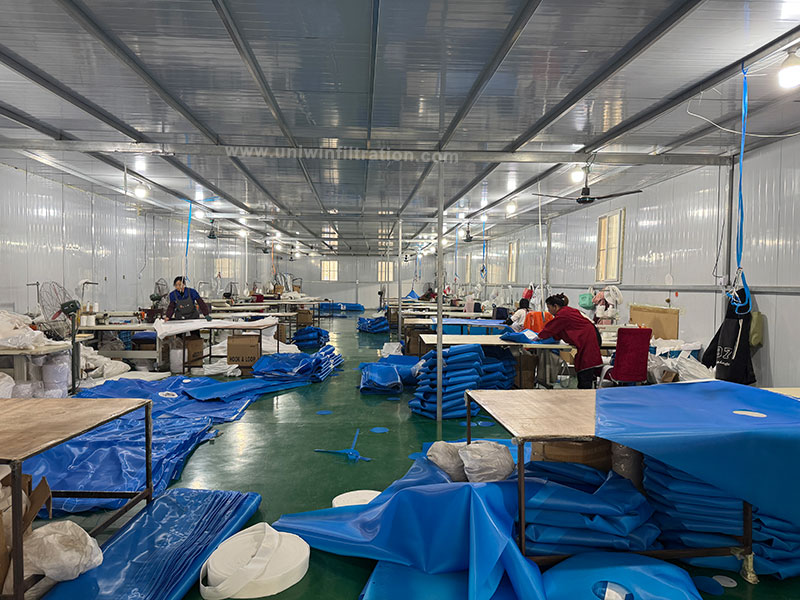
Filter Cloth Quality and Material Selection
Material compatibility
Different slurries require different filter cloth materials. For example, polyester filter cloths should be avoided in strongly alkaline conditions; polypropylene materials are a suitable alternative.
Weaving process
The weaving density and single/double-layer structure of the filter cloth significantly affect its wear resistance. High-density double-layer filter cloths are more resistant to abrasion but are prone to clogging; single-layer filter cloths have better water permeability but a shorter lifespan.
Comprehensive Recommendations
- Select filter cloth materials and structures that match the characteristics of the slurry;
- Establish a standardized cleaning process to avoid over-cleaning or insufficient cleaning.
- Control the filtration cycle and cake discharge method to reduce human intervention.
- Regularly inspect the mechanical structure of the filter press to ensure the flatness of the filter plates and the stability of the pressing system.
- Regularly inspect the filter cloth to detect edge wear and micro-cracks in advance and replace it promptly.
Conclusion
In summary, the quality of the filter cloth is closely related to the efficiency of the filter press. Through systematic management, not only can the frequency of filter cloth replacement be reduced, but the operating efficiency and production stability of the filter press can also be significantly improved.