
Causes of and Solutions for Failure of Filter Presses to Discharge
The inability of a filter press to discharge material properly is a common operational fault. The root causes typically involve abnormal filter cake formation, filter cloth clogging, insufficient pressure, or equipment component failure. The following outlines a systematic approach to troubleshooting these issues and implementing corrective measures.
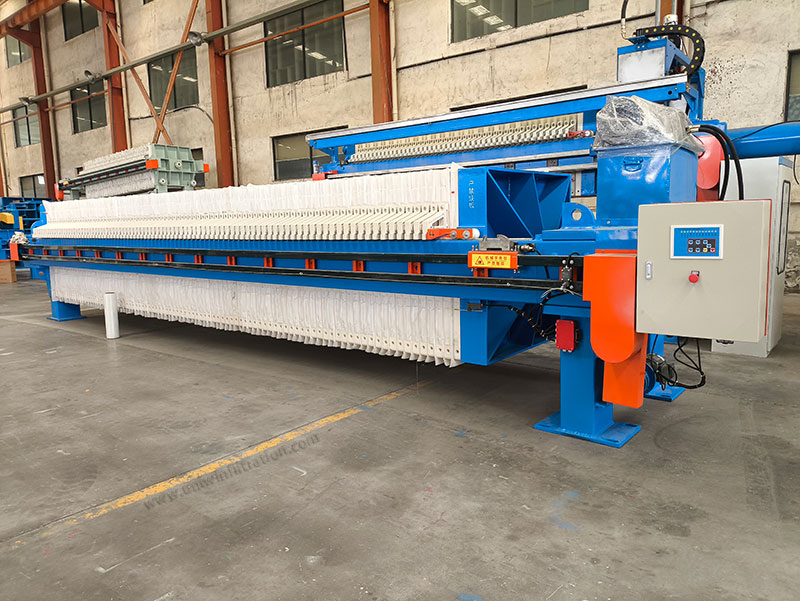
Common Causes and Remedial Measures
Abnormal or non-formation of filter cake
Causes:
- Insufficient pressure or flow rate from the feed pump prevents the effective retention of solid particles.
- Material concentration is too low, resulting in an insufficient solid content.
- Changes in material properties (e.g., finer particle size, increased viscosity) lead to degraded filtration performance.
- Improper addition of flocculant (either excessive or insufficient), thereby hindering particle flocculation.
Solution:
- Check the feeding system: Ensure the pump is working properly, and gradually increase the feed pressure to the rated value.
- Increase material concentration: Raise the solids content of the feed slurry in the upstream process (e.g., the thickening tank).
- Adjust chemical agents: Optimize the type, dosage ratio, and addition point of the flocculant through small-scale testing.
- Extend filtration time: Appropriately increase the pressure-holding duration while maintaining overall efficiency.
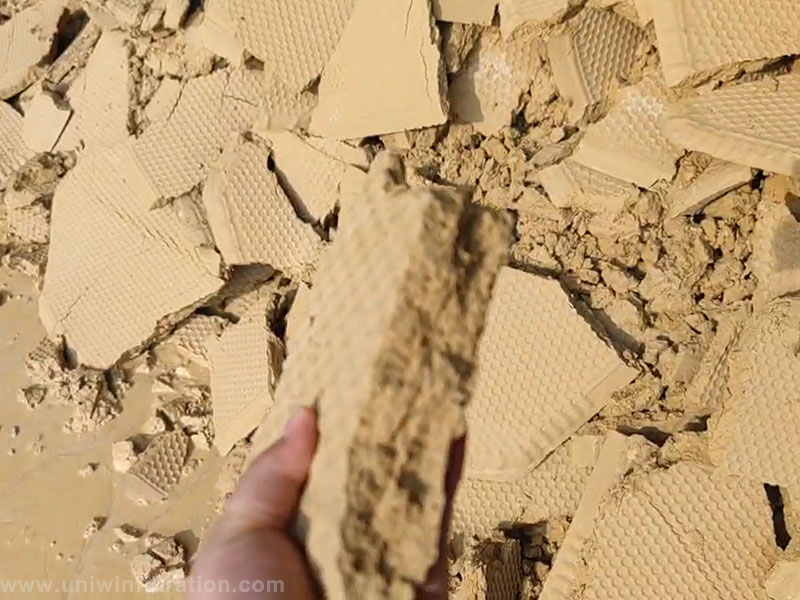
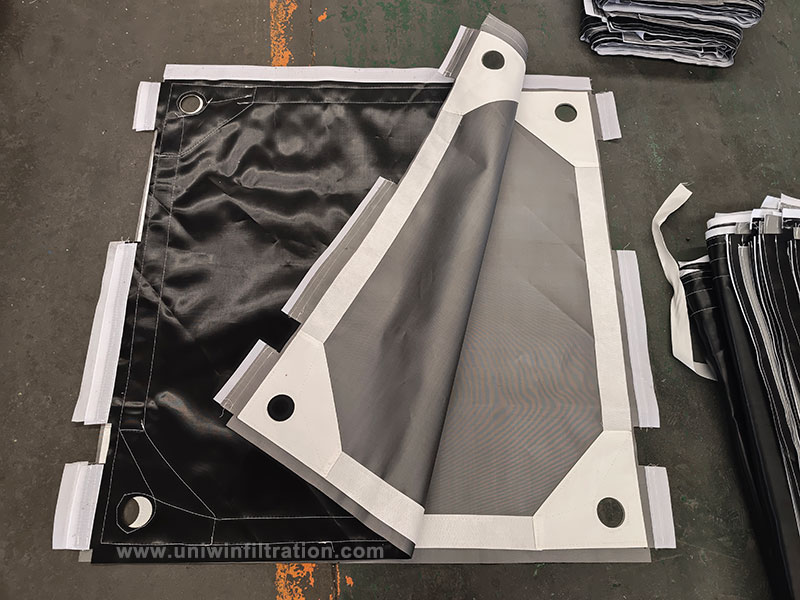
Filter cloth clogging or damage
Causes:
- Improper selection of filter cloth (pore size and material are incompatible with the processed material).
- Inadequate cleaning results in fine particles becoming embedded deep within the filter cloth and causing clogging.
- Aging, tearing, or worn sealing edges of the filter cloth, leading to material bypass or leakage.
Solution:
- Thoroughly clean the filter cloth: Use a high-pressure water gun, a low-pressure/high-flow water rinse, or chemical cleaning methods.
- Inspect and replace the filter cloth: Conduct regular inspections; immediately replace the cloth if it is severely damaged. Re-select the appropriate filter cloth type based on the characteristics of the material being processed (acidity/alkalinity, particle size, and viscosity).
- Inspect the sealing surfaces of the filter plates: Ensure that no residual hard objects are present that could damage the filter cloth.
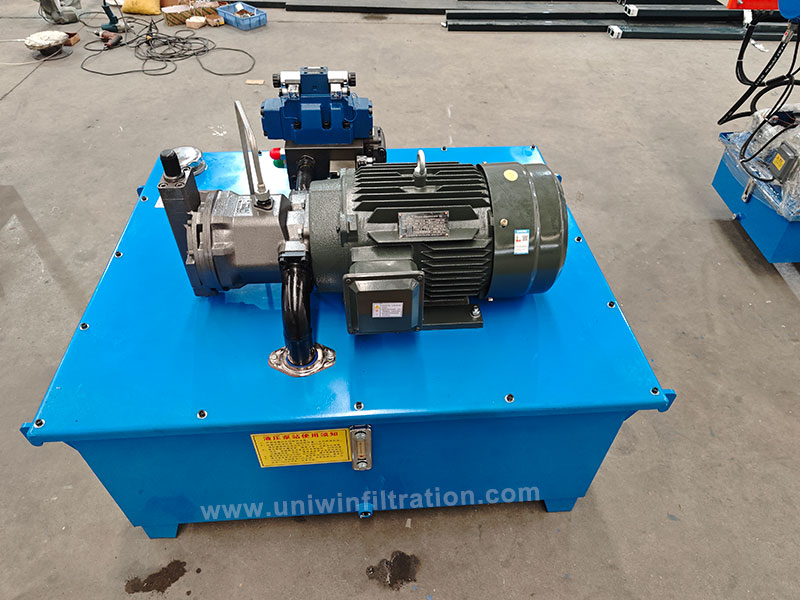
Pressure system issues
Causes:
- Insufficient Feed Pressure: Feed pump failure, valves not fully open, blockage in piping or pump chamber, or pressure gauge malfunction.
- Insufficient Squeezing Pressure (Specific to Membrane Filter Presses): Failure of the squeezing pump or pneumatic system, damaged membrane, or pressure leakage.
- Insufficient Hydraulic System Pressure: Hydraulic station malfunction (low oil level, damaged oil pump, overflow valve setpoint too low, or hydraulic cylinder seal leakage)—resulting in the filter plates failing to clamp tightly, leading to material blowout or liquid leakage.
Solution:
- Check Pressure Gauge Readings: Verify whether the actual pressure meets process requirements.
- Inspect Pumps, Valves, and Piping: Clear any blockages; repair or replace faulty pumps and valves.
- Inspect Hydraulic/Pressing System: Replenish hydraulic fluid; service the oil pump and hydraulic cylinder seals; check for diaphragm damage, and inspect pressing lines for air or water leaks.
- Reset System Pressure: Adjust the pressure settings in accordance with the equipment’s rated pressure.
Issues with filter plates and related components
Causes:
- Filter plates are deformed, cracked, or their feed ports are clogged.
- Filter plates are misaligned, resulting in uneven pressure distribution during compaction and subsequent material leakage.
- Movement of the thrust plate or compaction plate is obstructed.
Solution:
- Clean the filter plate feed ports: Use a tool to clear any blockages.
- Inspect the condition of the filter plates: Filter plates that are severely deformed or cracked must be replaced. Ensure the filter plates are aligned neatly.
- Clean the tracks: Keep the main beam tracks clean and lubricated to ensure smooth movement of the moving components.
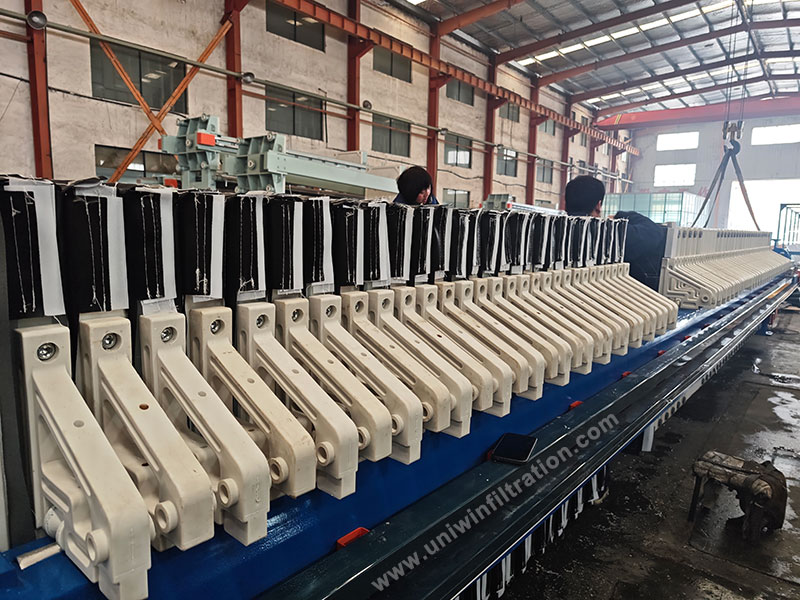
Routine Maintenance Recommendations
- Regular cleaning: strictly adhere to the filter cloth rinsing procedures and establish a routine chemical cleaning schedule.
- Regular spot checks: daily inspections of hydraulic oil levels, filter cloth condition, seals, etc.; weekly inspections of filter plates and guide rails.
- Spare parts inventory: maintain a stock of consumable parts, such as filter cloths, sealing rings, hydraulic oil, etc.
Conclusion
A filter press functions as a system; consequently, discharge issues are often the result of a combination of multiple factors. Troubleshooting should begin with the simplest operational and cleaning-related issues, gradually progressing to an examination of the equipment’s core components and process parameters. If the problem proves complex, contact the equipment manufacturer promptly to request technical support.