
Reasons for Insufficient Pressure in Filter Presses
Insufficient pressure is one of the most common and efficiency-impacting problems encountered during filter press operation. Improper handling can lead to increased moisture content in the filter cake, prolonged filtration cycles, and even abnormal wear and tear on the equipment.
This article presents a practical troubleshooting process for pressure faults in filter presses from an engineering perspective, enabling the quick identification of the root cause of the problem.
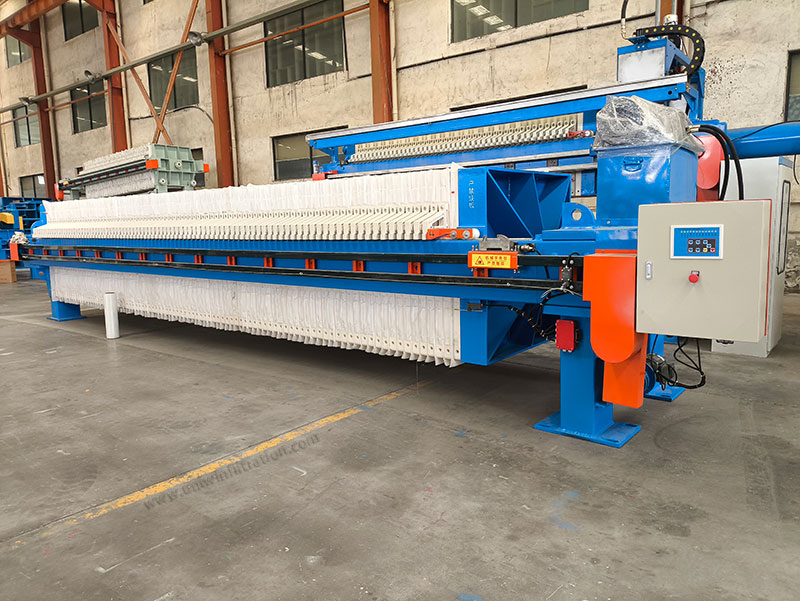
Distinguishing Between the Two Pressure Types
Filter presses involve two completely different pressure systems:
Pressure Pressure (Hydraulic System)
Source: Hydraulic station
Function: Presses the filter plates together to ensure a seal
Possible Effects: Leakage, inability to form a filter cake 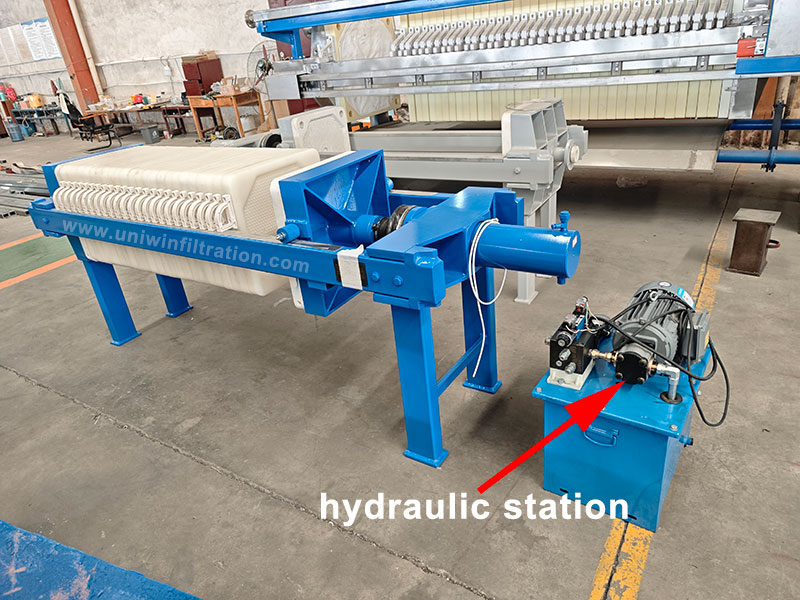
Feed pressure (filtration pressure)
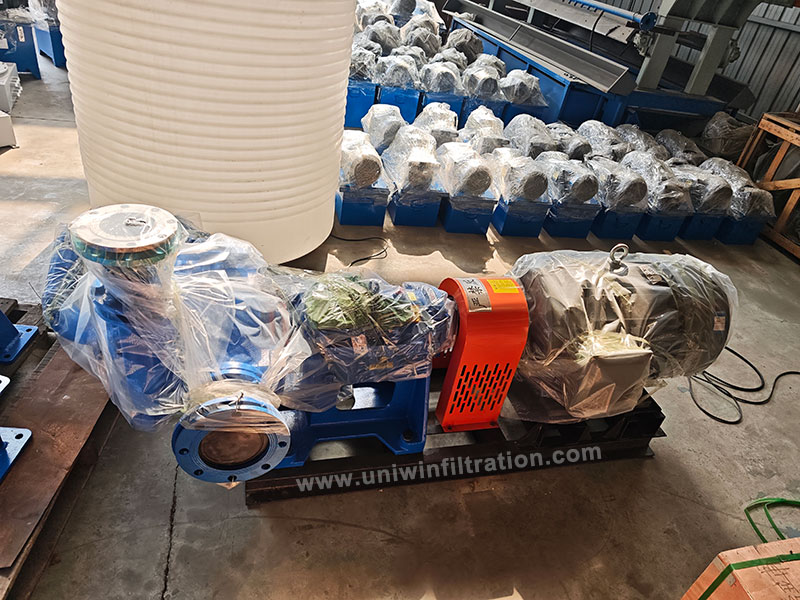
Source: Feed pump
Function: Drives material filtration
Abnormal effects: Low filtration efficiency, high moisture content in sludge cake
Key diagnostic points:
If the filter plates are not pressed tightly → check the hydraulic system
If the filtration effect is poor → check the feeding system
Hydraulic System Troubleshooting
Insufficient hydraulic pump output
Typical Characteristics: Pressure consistently fails to build up
Causes: Pump wear (due to prolonged operation); air leak or blockage in the suction pipe; incorrect motor rotation.
Solutions:
- Inspect and replace the hydraulic pump
- Clean the oil filter
- Correct the motor rotation
Relief valve setting or malfunction
Typical characteristic: Pressure cannot be increased further after reaching the upper limit
Causes: Set pressure too low; valve core stuck or spring fatigue.
Solutions:
- Reset pressure value
- Clean or replace the relief valve
Hydraulic oil problems
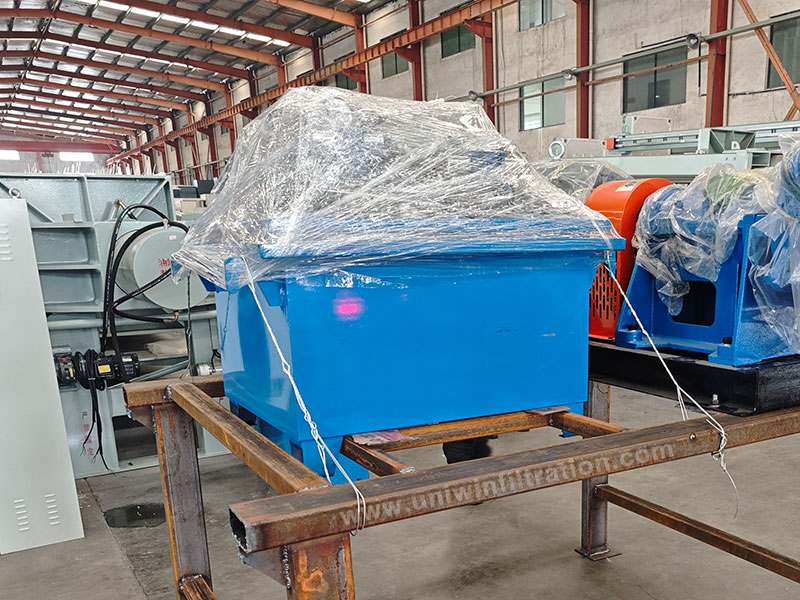
Causes: Insufficient oil level; oil contamination or emulsification; abnormal viscosity.
Solutions:
- Replace hydraulic oil (recommended every 6–12 months)
- Clean the hydraulic system
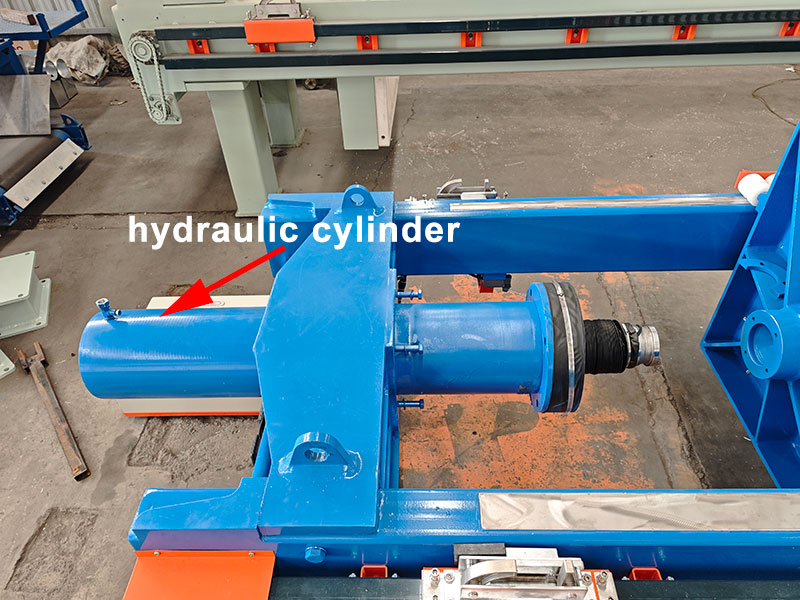
Internal leakage in the hydraulic cylinder
Typical characteristic: Pressure can rise, but cannot be maintained
Causes: Aging of the seals; cylinder body wear.
Solution:
- Replace the seals
- Inspect the hydraulic cylinder
Pipe leak
Solution:
- Check joint seals
- Replace aging pipes
Feed System Troubleshooting
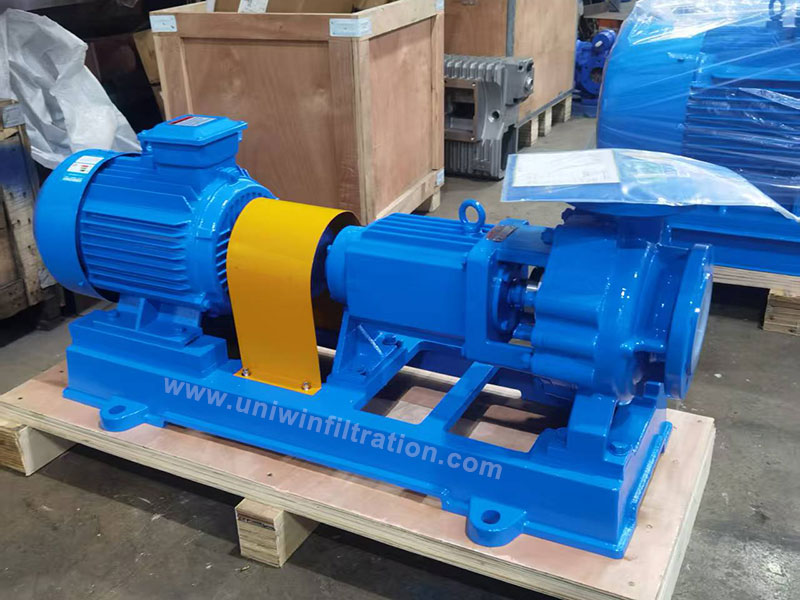
Feed pump issues (core factors)
Causes: Insufficient head (incorrect pump selection); pump wear; cavitation.
Solutions:
- Replace or upgrade the pump
- Check the feed seal
Excessive pipeline resistance
Causes: Pipeline blockage; valve not fully open
Solutions:
- Clean the pipeline
- Optimize pipe diameter design
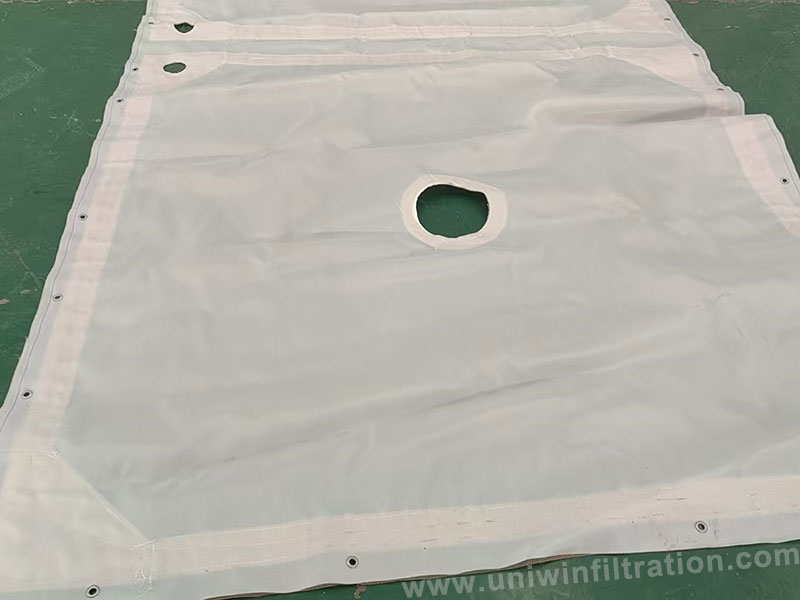
Filter cloth clogging
Typical characteristics: Slow or no pressure rise
Cause: Pore blockage
Treatment:
- High-pressure water cleaning
- Chemical cleaning (acid/alkali)
Abnormal material properties
Causes: Low solid content; no flocculant added; abnormal viscosity.
Solutions:
- Adjust dosage
- Optimize material concentration
Instrumentation and Control System Issues
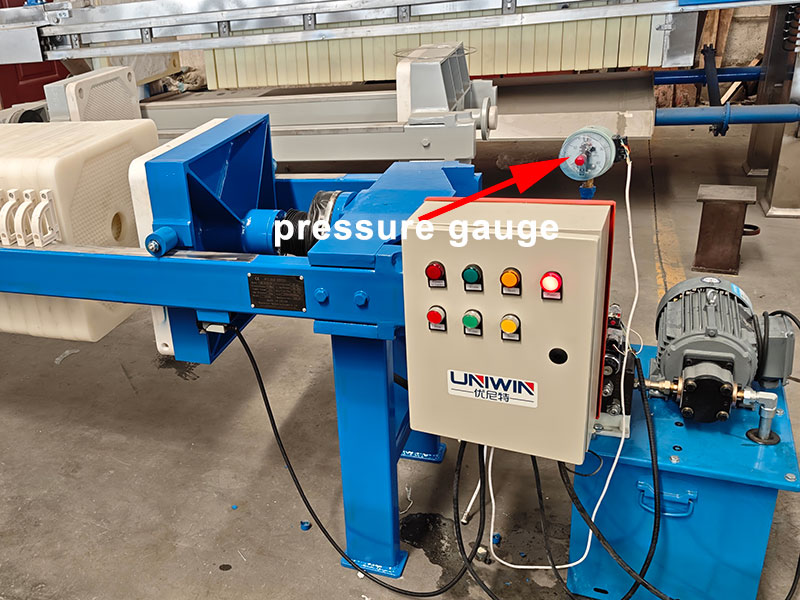
Pressure gauge/sensor failure
Replacement and comparative testing
Regular calibration
Control logic limitations
PLC pressure upper limit setting
Program premature pressure relief
Standard Troubleshooting Procedure
Follow these steps in order to quickly locate the problem:
- Identify the pressure type (hydraulic/feed)
- Check if the pressure gauge has a reading
- Check for system leaks
- Inspect the pump (hydraulic pump/feed pump)
- Inspect the valves (relief valve/control valve)
- Inspect the medium (oil/material)
- Inspect the actuators (cylinder/filter cloth)
- Inspect the control system (PLC/sensors)
Conclusion
The inability of a filter press to achieve sufficient pressure essentially boils down to three types of problems: insufficient pressure supply (pump issues), system pressure leakage (valve/seal issues), and abnormal operating conditions (filter cloth/material issues). By systematically checking each of these factors based on the actual situation, the root cause of the problem can be identified and the solution precisely addressed.