
Challenges and Solutions for Filtrating High-Viscosity Materials
The core challenges of filtering high-viscosity materials boil down to one thing: slow material flow, slow filtration, incomplete filter cake removal, and easy clogging. These conditions are common in chemical slurries, sludge, food pastes, resins, adhesives, and mineral concentrates. If the selected filter or operating parameters are mismatched, filtration efficiency will significantly decrease, and problems such as filter cloth clogging, inability to press out liquid, and high moisture content in the filter cake may occur.
The following section will detail the main challenges and corresponding solutions for filtering high-viscosity materials.
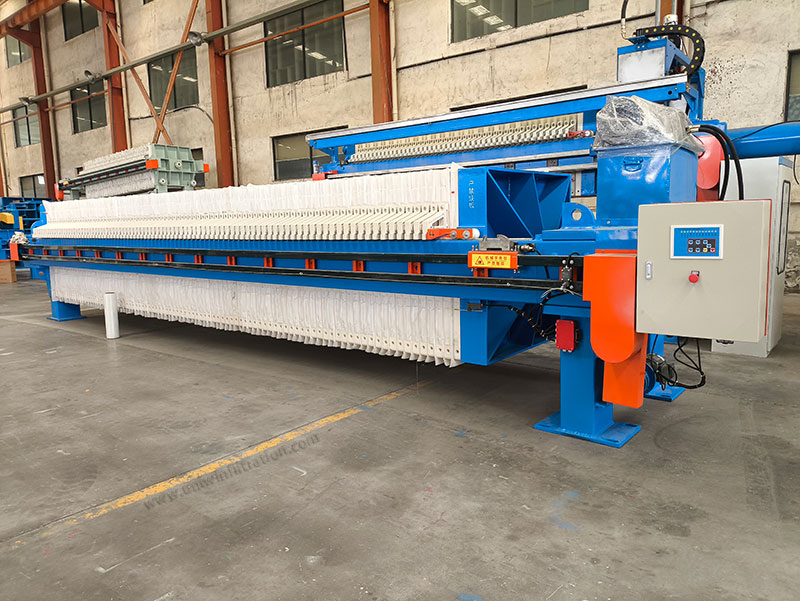
Why is Filtering High-Viscosity Materials Difficult?
Poor flowability makes feeding difficult.
The biggest characteristic of high-viscosity materials is their high flow resistance. When entering filtration equipment, the following problems often occur:
- The feed pump head is sufficient, but the actual flow rate is insufficient.
- High pipeline resistance easily leads to localized stagnation.
- Uneven material distribution within the filter chamber causes localized accumulation.
- Slow filter cake formation in the initial stage of filtration results in a longer overall cycle time.
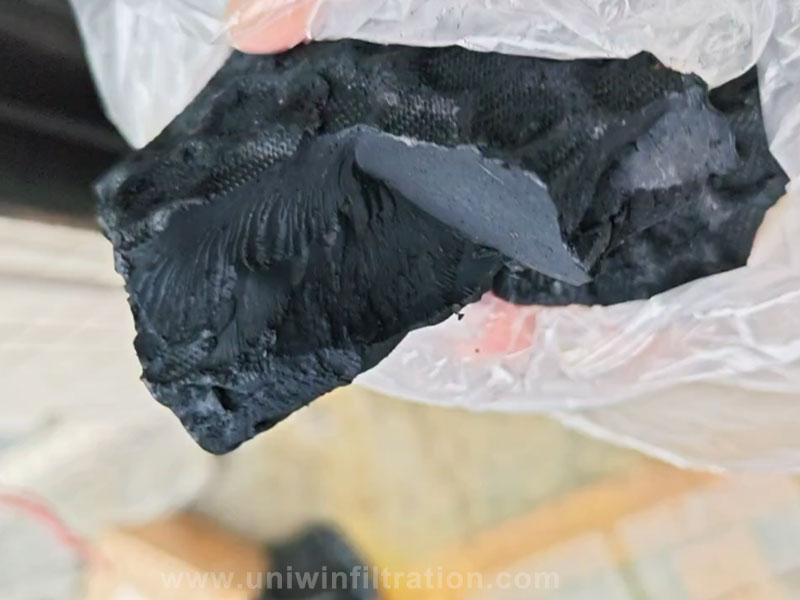
High filtration resistance
When filtering high-viscosity materials, not only does the liquid itself flow slowly, but the resulting filter cake is also typically denser, leading to:
- Slow flow of the filtrate through the filter cloth and filter cake
- Highly compressible filter cake, becoming increasingly dense and difficult to expel
- A sharp decline in filtration efficiency in the later stages.
Filter cloths are prone to clogging
High-viscosity systems often contain fine particles, oils, fibers, or polymers. These substances readily adhere to the pores of the filter cloth, leading to the following problems:
- Initial filtration is acceptable, but efficiency drops significantly after several batches of operation.
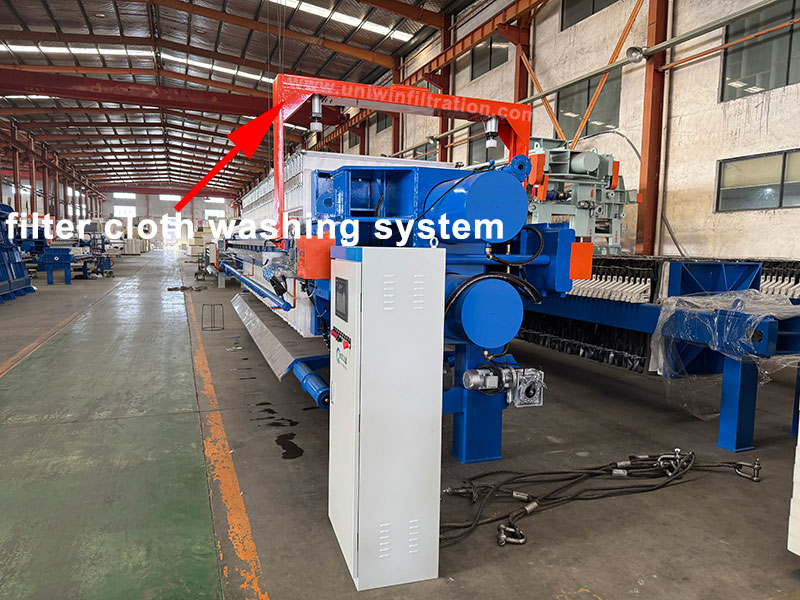
- Increased cloth washing frequency and high maintenance costs.
- Shortened filter cloth lifespan.
- Difficulty in unloading the filter cake.
Solutions to the High-Viscosity Filtration Problem
Material pretreatment
Heating to reduce viscosity
Increasing the temperature enhances the movement of liquid molecules, reducing viscosity and significantly improving:
- Feed flowability
- Filter chamber filling speed
- Filtrate permeation rate through the filter cake
- Filter cake dewatering effect
Adding filter aids
For high-viscosity materials containing fine particles, colloids, and easily compressible filter cakes, adding filter aids is very effective. Common filter aids include:
- Diatomaceous earth
- Perlite
- Cellulose-based filter aids
- Lime, fly ash, and other process auxiliary materials
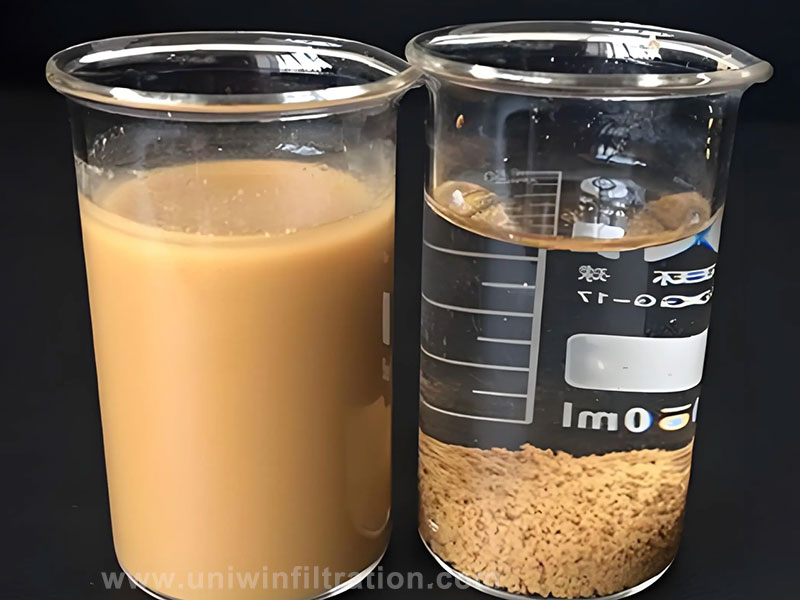
Flocculation/conditioning
If the material contains many fine particles and has a high colloid content, flocculation and conditioning can be performed first to form larger flocs from the fine particles, thereby:
- Increasing the solid-liquid separation speed
- Improving the filter cake structure
- Reducing the risk of filter cloth clogging
- Improving the clarity of the filtrate
This is especially common in sludge dewatering, slurry treatment, and chemical suspension treatment.
Equipment selection should be tailored to high viscosity characteristics
Prioritize filter presses with stronger forced pressing capabilities
For high-viscosity materials, filter presses are generally more advantageous than relying solely on gravity or vacuum filtration. Especially: Chamber filter presses, diaphragm filter presses, and high-pressure filter presses.
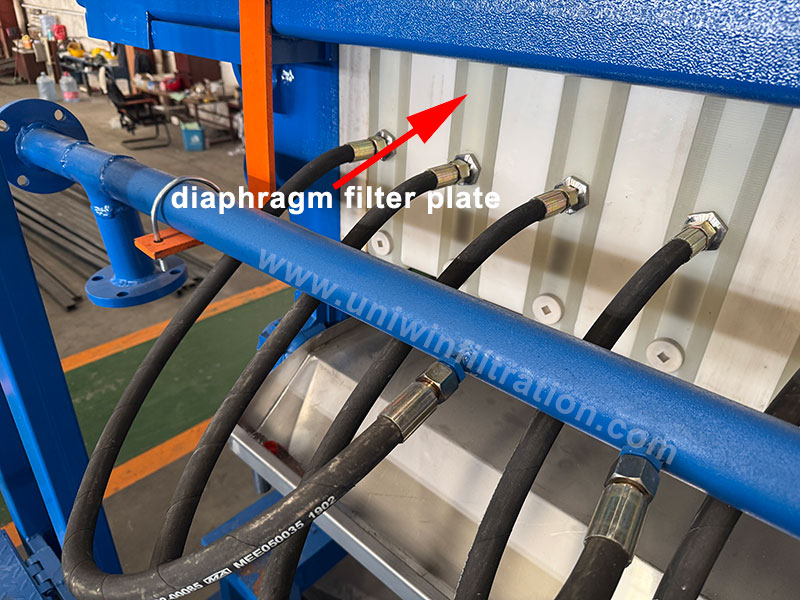
Diaphragm filter presses are particularly valuable for high-viscosity materials because after ordinary feed filtration, the filter cake can be further reduced in moisture content, and the discharge condition can be improved through secondary diaphragm pressing.
The feeding system is crucial
The success of high-viscosity filtration largely depends on the feeding system, not the main unit itself. It is recommended to use a feed pump suitable for high-viscosity media, such as a screw pump or plunger pump.
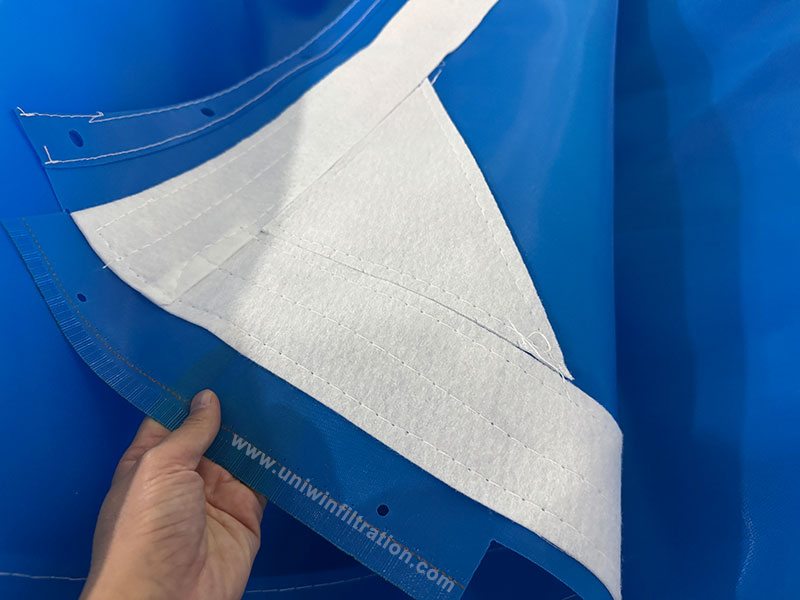
Filter cloth optimization
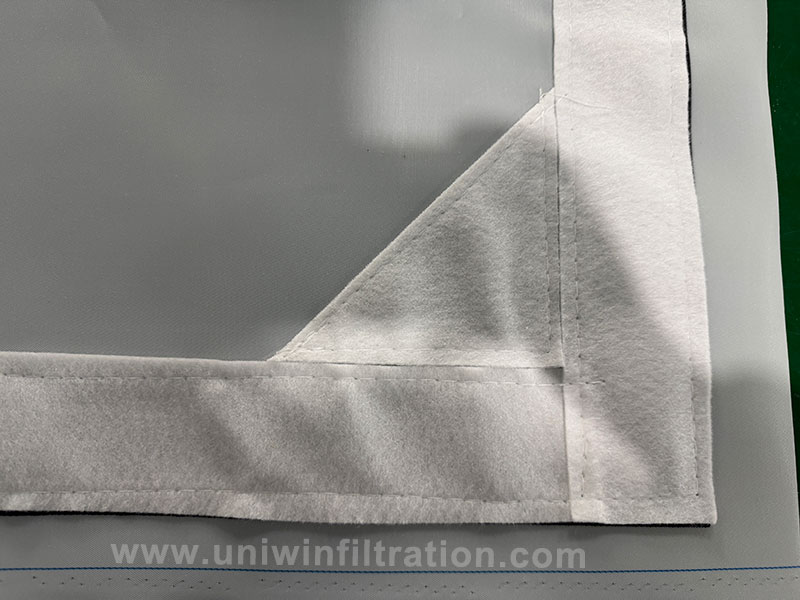
Choose a filter cloth material that is not prone to adhesion
High-viscosity materials tend to stick to the filter cloth, making filter cloth selection crucial.
Common materials include polypropylene, polyester, and nylon, but their suitability depends on the chemical properties of the material and temperature conditions.
Optimizing filter cloth structure
Even with the same material, different weaving methods can result in significantly different filtration performance. While excessively fine filter cloths have strong retention capacity, they are more prone to clogging; excessively coarse cloths may leak material. In practice, pilot-scale testing is often used to select the appropriate cloth type, rather than solely relying on theoretical pore size.
Pre-coating filtration
For materials that are particularly prone to clogging, a pre-coating layer can be formed on the filter cloth surface before formal filtration. This reduces the direct entry of sticky components into the filter cloth pores, facilitating subsequent cleaning and cake unloading.
Process parameters need to be reset
Stage feeding pressure
- Initial stage: Low pressure, high flow rate filling of the filter chamber;
- Middle stage: Gradually increase pressure to build up the filter cake.
- Later stage: Stabilize pressure for dewatering.
- If necessary, diaphragm pressing or air drying.
Maintaining a stable filtration temperature is crucial
If the material viscosity is temperature-sensitive, the filtration process temperature must be kept stable.
Optimizing pressing and blowing times is also essential.
Longer pressing or blowing time is not always better. High-viscosity filter cakes exhibit extremely slow moisture migration after a certain stage, significantly extending the filtration cycle. Experiments should be conducted to determine the optimal timing, achieving a balance between production capacity and moisture content.
Conclusion
While filtering high-viscosity materials is challenging, filtration efficiency can be significantly improved through various adjustments. If you encounter any difficulties in this area, please feel free to contact us; we will provide you with the most suitable solution.