
Optimization Methods for Shortening Filter Press Cycles
Shortening filter press cycles is the most direct way to improve production efficiency. The core idea is “reducing filtration resistance + improving feeding efficiency,” which can be achieved through systematic optimization in the following aspects.
Process Optimization
Improved sludge conditioning
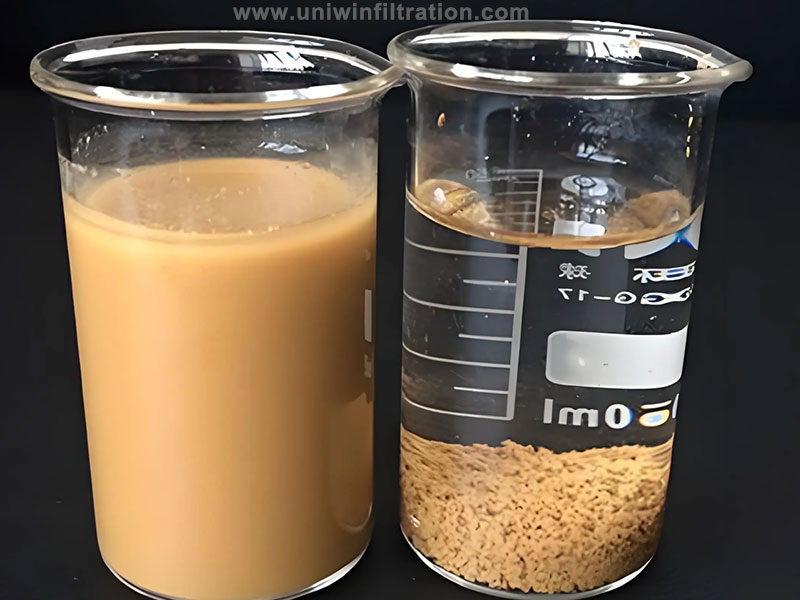
Reagent Selection: Use highly efficient flocculants (such as cationic PAM) or filter aids to make particles larger and reduce filter cake compressibility.
Dosage Optimization: Precisely control the dosage of reagents (determine the optimal point through small-scale tests) to avoid excessive dosage, which can increase viscosity and clog the filter cloth.
Increase feed concentration
Increase the solids content of the feed through pre-concentration (e.g., gravity concentration, centrifugal concentration). Higher concentrations result in shorter filtration times and easier cake removal.
Temperature control
If the material allows, appropriately increasing the temperature (e.g., 40–60℃) can significantly reduce liquid viscosity and accelerate filtration (note that high temperatures may affect reagent efficacy).
Equipment and Accessory Upgrades
Filter cloth/filter plate selection
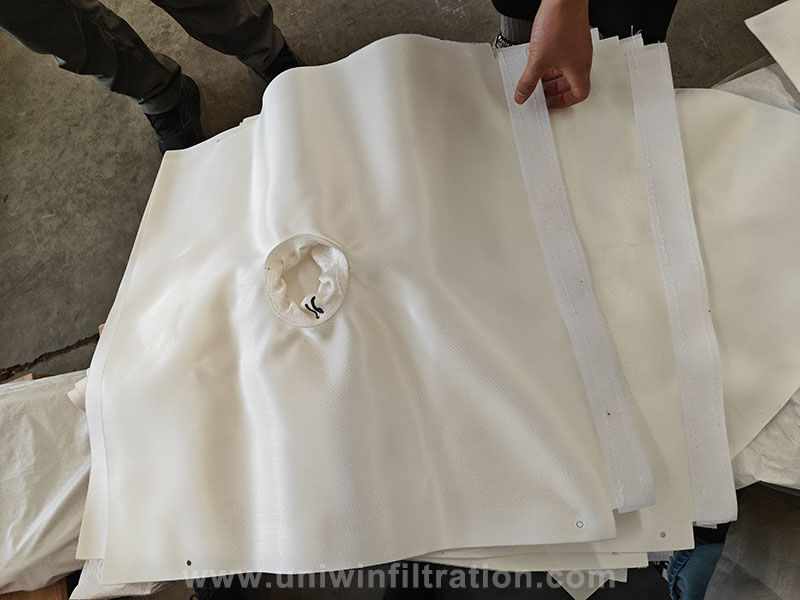
Filter Cloth: Select monofilament filter cloth or high-porosity filter cloth to reduce blind clogging; choose an appropriate pore size based on material characteristics (principle: allow clear liquid to pass through quickly while retaining solids).
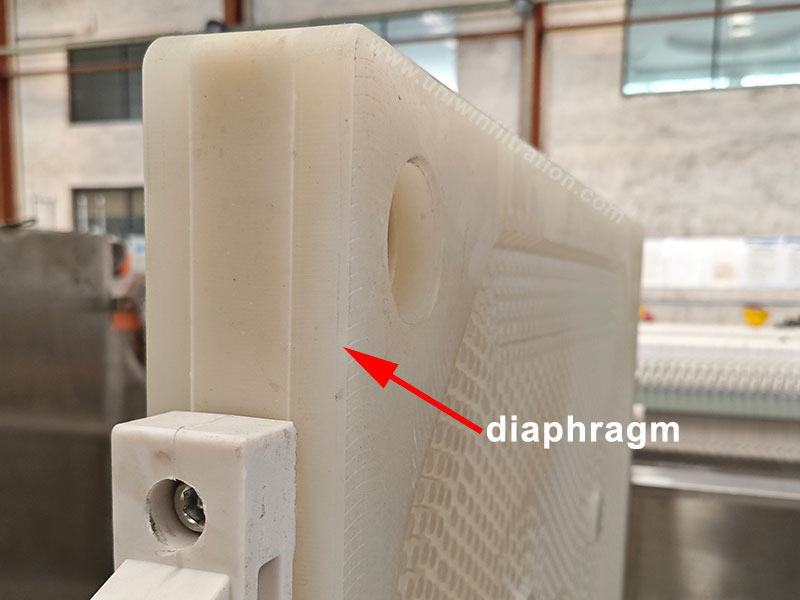
Filter Plate: Consider high-strength polypropylene filter plates or rubber diaphragm filter plates (the latter can be subjected to secondary pressing, significantly reducing moisture content).
Diaphragm pressing function
If the equipment supports it, diaphragm pressing (secondary pressing) can be performed after filtration to quickly squeeze out capillary water, shorten drying time, and further reduce the moisture content of the filter cake.
Optimized feed pump
A high-pressure pump with frequency conversion control is used. Low pressure is applied initially to prevent material spraying, followed by high pressure for rapid filling, achieving intelligent feeding with a “fast first, slow later” approach.
Operation and Maintenance
Feeding strategy optimization
Segmented Feeding: Initially, use low pressure and high flow rate to quickly form a filter cake; gradually increase the pressure later to avoid premature clogging of the filter cloth.
Pressure Holding Time Control: After feeding is complete, do not immediately release the pressure; maintain stable pressure for a certain period to ensure a stable filter cake structure.
Improved unloading efficiency
To ensure uniform filter cake thickness, adjust the speed and stroke of the plate shifter, and adopt an automatic unloading system to reduce manual intervention time.
Strict cleaning and maintenance
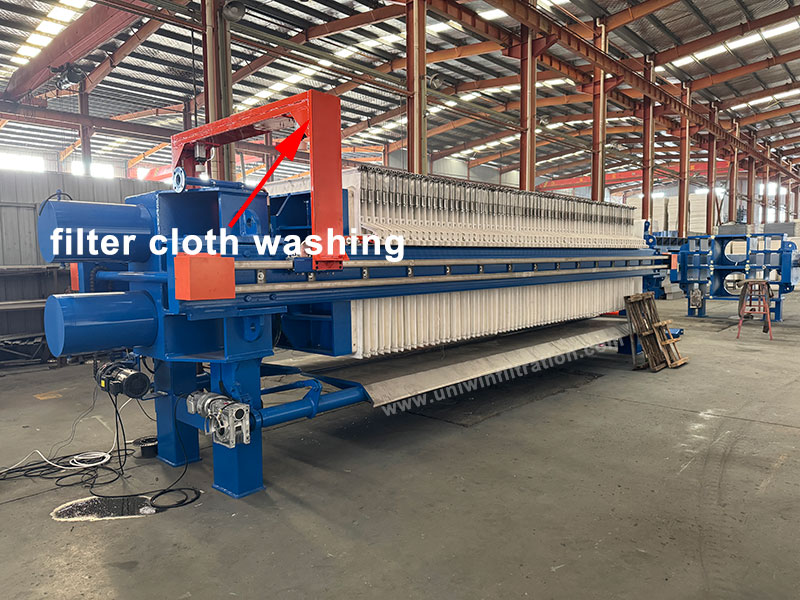
Regularly clean the filter cloth: Use a filter cloth cleaning device to clean the cloth and restore its permeability. Clogged filter cloth is the primary cause of extended cycle times.
Inspect the filter plate sealing surface: Ensure there is no deformation or residue to prevent material leakage or pressure loss.
Optimization Recommendations
- First, conduct a small-scale test: Take a small amount of material in the laboratory or on-site to test the filtration effect under various reagents and pressures, aiming to find the theoretically optimal parameters.
- Adjust operations: Based on the results of the small-scale test, adjust the dosage, feed pressure curve, and holding time on-site.
- Finally, modify equipment: If process optimization has reached a bottleneck, then consider replacing the filter cloth or upgrading the pumps and valves.
Conclusion
The key to shortening the filter press cycle lies in “reducing resistance and increasing speed.” The above methods can significantly improve overall efficiency. It is recommended to prioritize low-cost operating processes and then gradually upgrade equipment hardware.