
How to Select a Filter Press?
The appropriate selection of a filter press directly affects dewatering efficiency, operating costs, automation level, and subsequent maintenance expenses. Different industries have significantly different requirements for filter presses in applications such as industrial sludge treatment, mine tailings dewatering, chemical separation, and food and pharmaceutical filtration; therefore, a systematic evaluation is essential. Below is a detailed analysis of the core considerations for selecting a filter press.
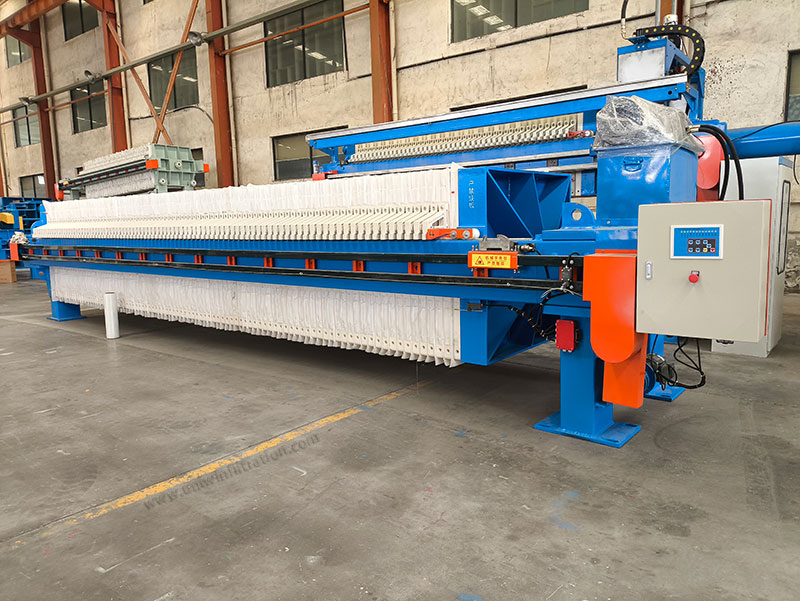
Define the Basic Parameters of the Material
Material properties
- Solid content
- Particle size and distribution
- Does it contain oil or have high viscosity?
- Is it corrosive (acidic or alkaline)?
- Is it toxic or volatile?
Processing capacity requirements
- Hourly processing capacity (m³/h or tons/day)
- Working hours (number of hours per day)
Moisture content requirements
- General Plate and Frame Filter Press: Filter cake moisture content 50–75%
- Diaphragm Filter Press: Can be reduced to 30–60%
- High-Pressure Diaphragm Filter Press: Below 30%
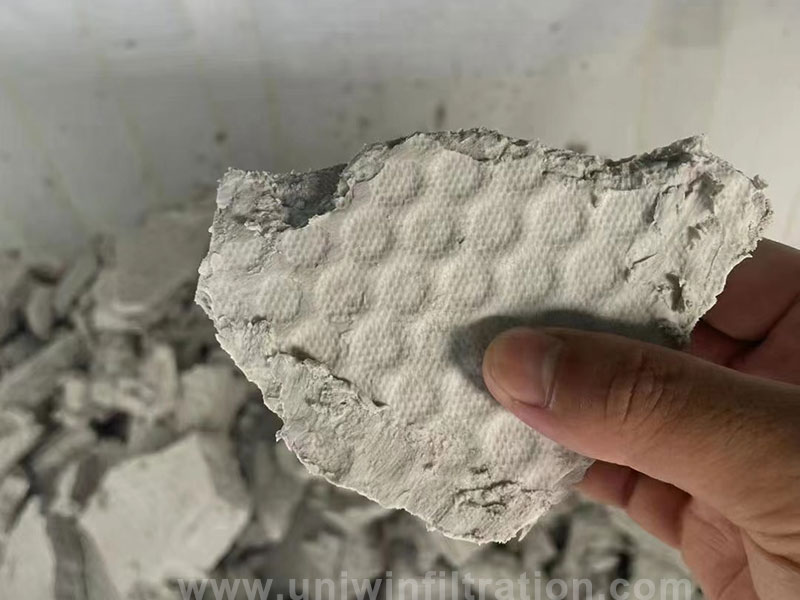
Filter Press Type Selection
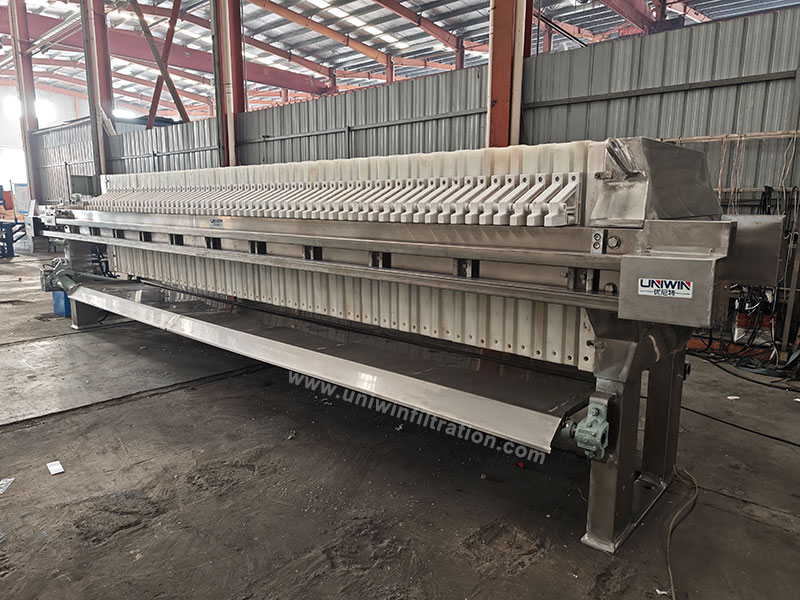
Plate and frame filter press
Applicable scenarios
Suitable for applications requiring relatively flexible filter cake thickness or specific filter cake shape.
Moisture content performance
The filter cake moisture content is relatively high compared to other filter presses.
Advantages and disadvantages
Simple structure and low cost.
Residue on the sealing surface, filter cloth wrinkles, or improper frame assembly can easily lead to bypass leakage.
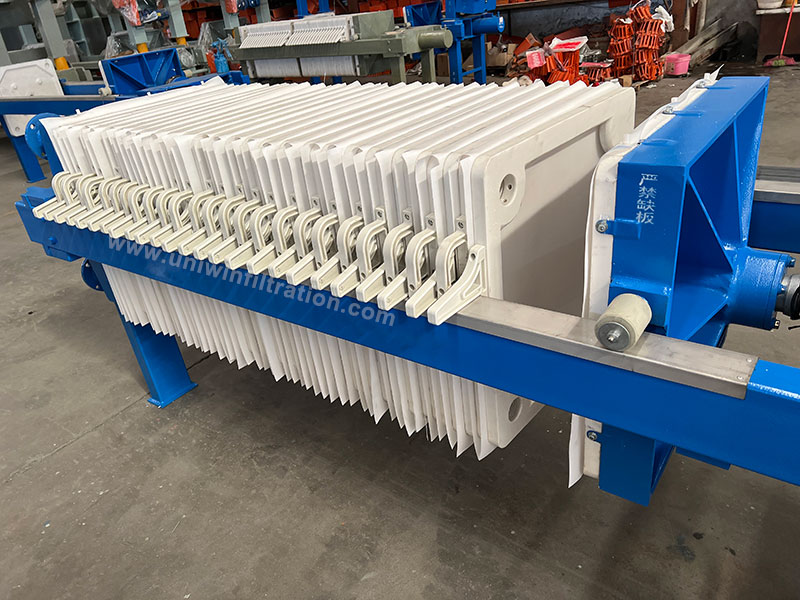
Chamber filter press
Applicable scenarios
Most versatile: municipal/industrial sludge, general mineral slurry, common chemical slurry.
Moisture content performance
Typically, it maintains a “medium and stable” moisture content when pressing without a diaphragm.
Advantages and disadvantages
High degree of automation, easy maintenance.
Filter cloth is prone to clogging, not suitable for continuous operation.
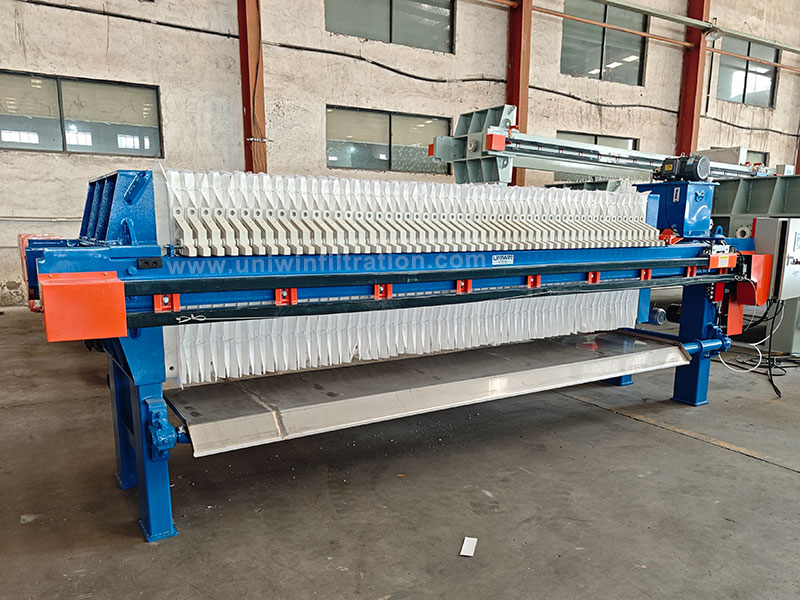
Diaphragm filter press
Suitable scenarios
Projects requiring a significant reduction in moisture content.
The material needs to be pressable for the diaphragm’s advantages to be apparent.
Moisture content performance
The process typically involves: first forming a filter cake, then further squeezing out pore water through a diaphragm (by pressing water or compressed air).
Advantages and disadvantages
Significantly reduces the moisture content of the filter cake.
Higher investment; the diaphragm plate body, pressing media system, valve assembly, and control system are more complex.
Filter Plate Material Selection
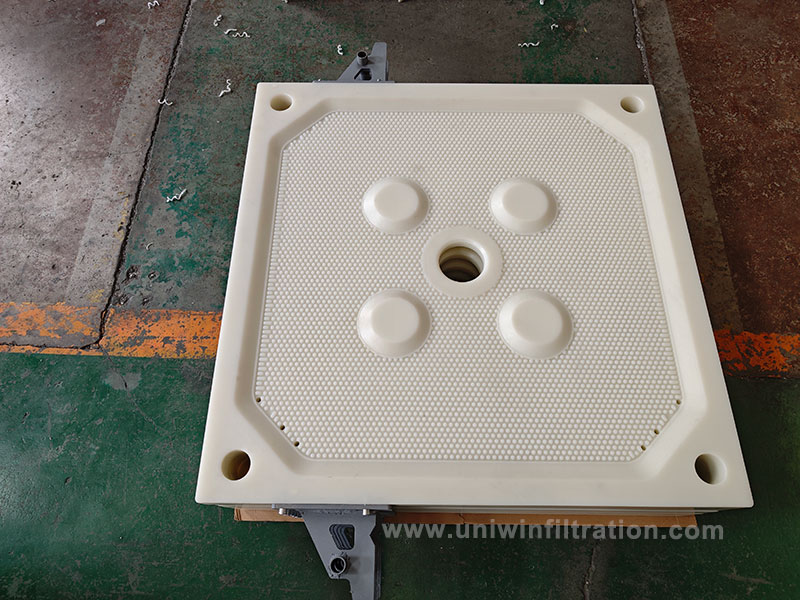
PP (polypropylene) filter plates
Suitable for most common acid, alkali, and salt systems, and general operating conditions with moderate temperatures and pressure requirements.
Reinforced pp filter plates
Suitable for larger plate sizes, higher pressures, and applications requiring increased rigidity and reduced deformation and sludge leakage risks.
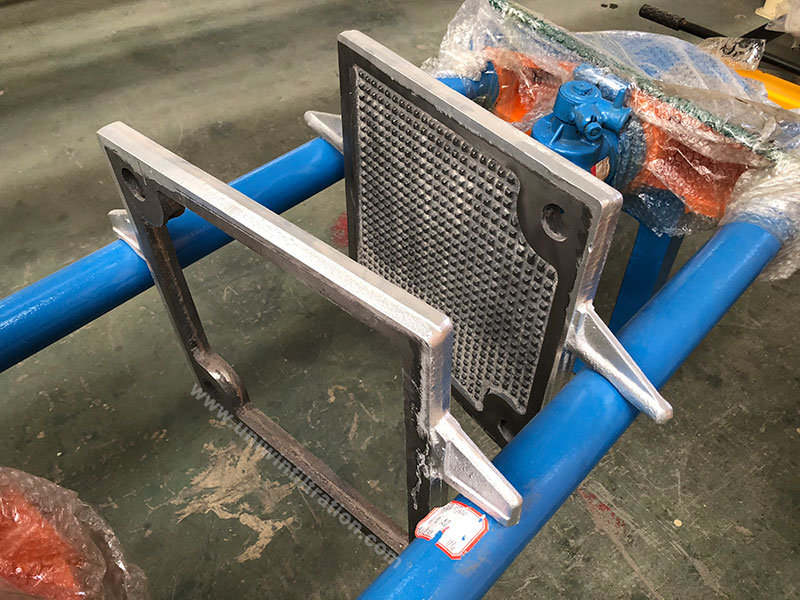
Cast iron filter plates
Suitable for applications requiring high rigidity, pressure resistance, impact resistance, and wear resistance, and where the media is not highly corrosive (common in some mining and industrial settings).
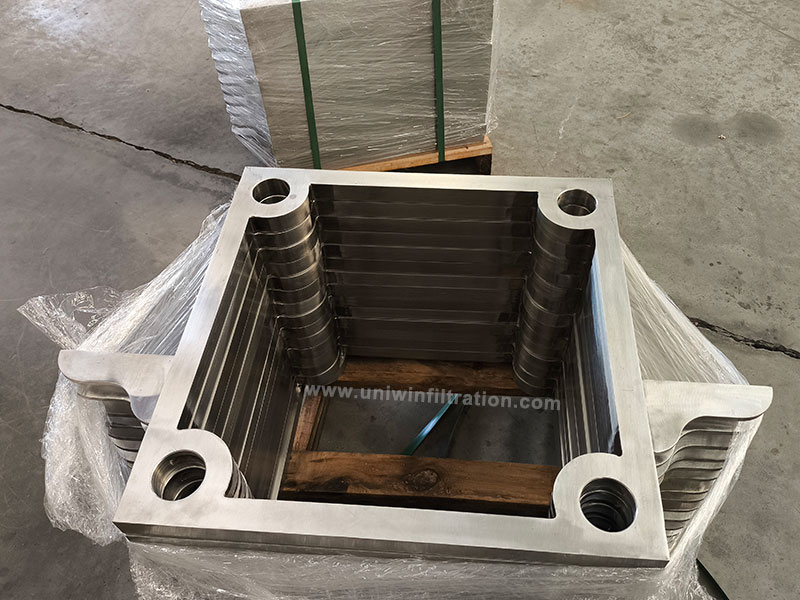
Stainless steel filter plates
Suitable for applications with stringent material requirements, such as highly corrosive environments, high temperatures, high hygiene standards, or solvent systems.
Conclusion
The key to selecting a filter press lies in three core factors: material characteristics, required throughput, and target moisture content. Only by fully understanding the operating conditions and combining them with appropriate equipment type and automation configuration can efficient dewatering be achieved. Scientific selection not only affects current performance but also relates to long-term stable operation and overall enterprise profitability.