
How to Reduce the Operating Costs of Filter Presses
Reducing the operating costs of filter presses can be approached from multiple angles, including optimizing equipment operation, managing consumables, controlling energy consumption, and implementing effective maintenance strategies. Below, I will provide a systematic analysis:
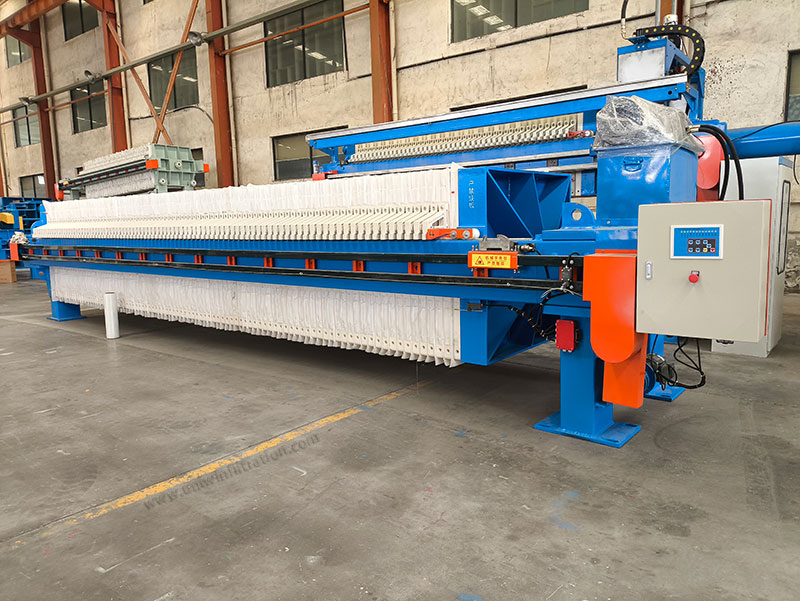
Optimize Operating Parameters
- Control feed concentration and flow rate: Adjusting the material concentration and feed rate can reduce filter cloth clogging and filtration time, thereby lowering energy consumption and equipment wear.
- Adjust filtration pressure: Using appropriate pressure ensures a dewatering effect and extends filter cloth life, avoiding excessive pressure that could damage the filter cloth or cause additional pump consumption.
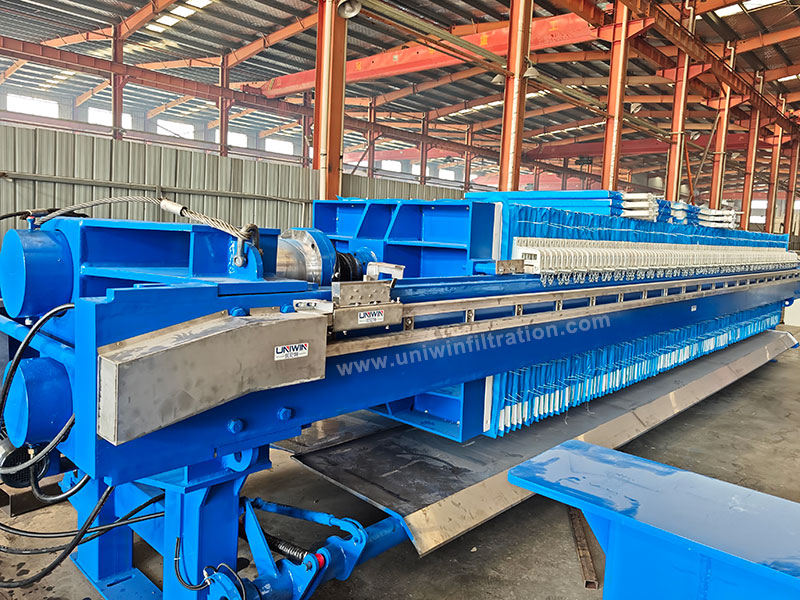
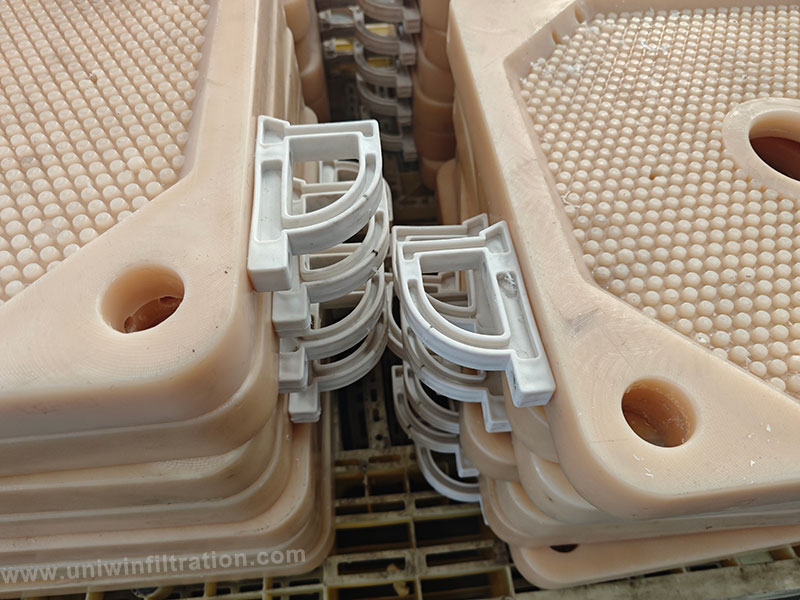
Filter Cloth and Filter Plate Management
- Select Highly Durable Filter Cloth: Use wear-resistant and chemically resistant filter cloth for a longer lifespan, reducing replacement frequency.
- Regular Maintenance and Cleaning: Clean deposits on the filter cloth promptly to avoid clogging, which leads to high energy consumption and cleaning costs.
- Optimize Filter Plate Layout: Appropriately adjust the plate type and filter press capacity to achieve maximum efficiency during each operation, reducing idling or overload operation.
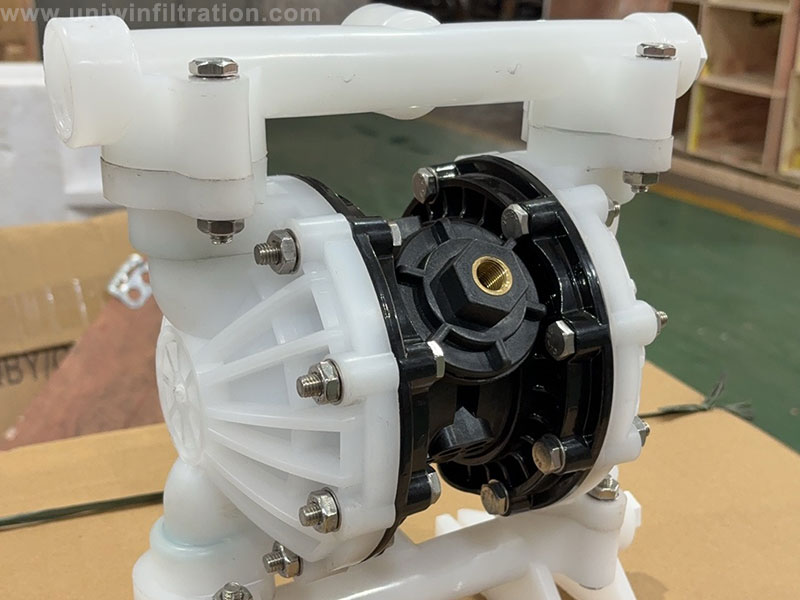
Energy Consumption Control
- Energy-Saving Pumps and Motors: Use high-efficiency motors or variable frequency pumps to adjust flow and pressure according to actual load.
- Optimal Operating Time: Avoid prolonged no-load operation; schedule filter press cycles based on actual output to reduce electricity costs and equipment wear.
Optimization of Chemical Use
- Optimize Flocculant Dosage: Both excessive and insufficient dosage will affect dewatering efficiency and increase costs.
- Select Cost-Effective Chemicals: Choose low-cost flocculants and filter aids suitable for the water quality while ensuring effective dewatering.
- Online Monitoring: Precisely control chemical dosage and reduce waste through online monitoring of sludge concentration, turbidity, etc.

Maintenance and Care
- Regularly inspect the pressing system: Keep the cylinders and hydraulic system functioning properly to prevent increased energy consumption due to leaks or damage.
- Preventative maintenance: Replace worn parts promptly to avoid production losses and repair costs caused by sudden downtime.
- Record operating data: Analyze operating cycles, filtrate turbidity, and filtration time; adjust promptly if any abnormalities are found.
Equipment Selection and Upgrade
- Choose a filter press with an appropriate capacity: Too large or too small a press will result in low efficiency and energy waste.
- Intelligent Control System: Utilize automated control of pressure, flow rate, and filter cloth cleaning cycle to reduce labor and operational error costs.
Conclusion
Rational operation, material optimization, precise control, and regular maintenance—these four basic strategies cover almost all the key aspects of reducing the operating costs of filter presses. With proper planning of these four points, the operating costs of filter presses will be significantly reduced in the long run.