
Maintenance Tips for Automatic Filter Press Plate Shifters
The automatic plate shifter is central to the efficient and stable operation of a filter press. Mastering its key maintenance points can effectively minimize downtime caused by malfunctions and extend the equipment’s service life. The following are maintenance tips for the filter press’s automatic plate shifter.
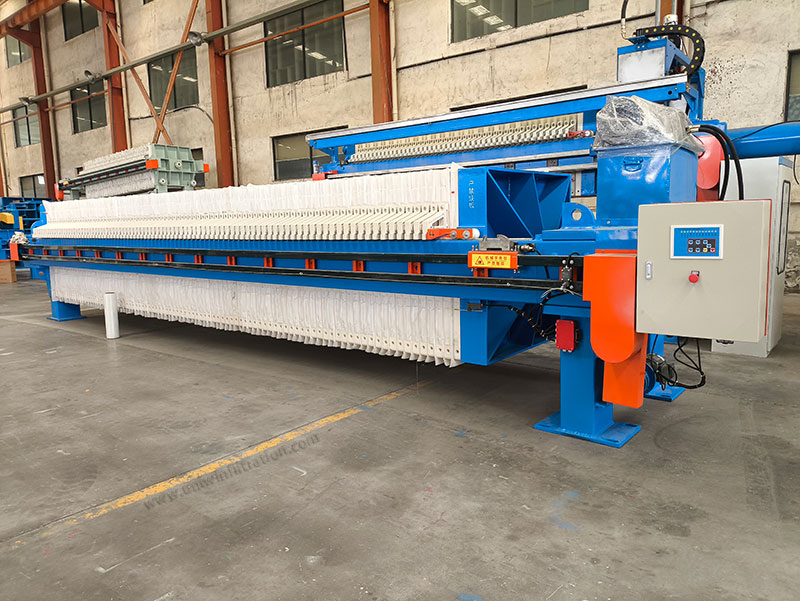
Routine Maintenance and Inspection
Pre-operation checks:
- Tracks and Chains: Inspect the guide rails for any hard material buildup, debris, or severe deformation; any such issues must be cleared immediately. Verify that the chain tension is appropriate and check for any risk of chain skipping.
- Plate Shifter Mechanism: Inspect the clamping components (e.g., gripping jaws, friction pads) for severe wear or oil contamination. Verify that the travel wheels rotate freely.
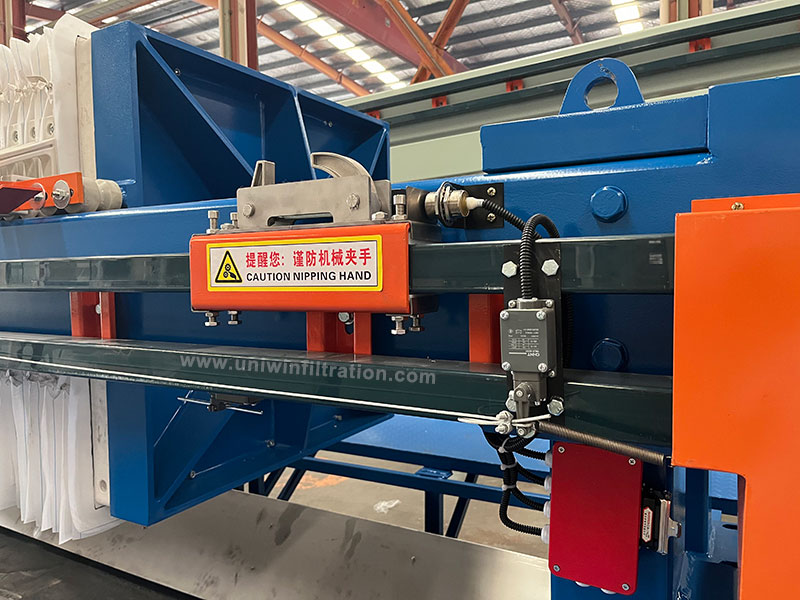
- Proximity Switches / Photoelectric Sensors: Ensure that the surfaces of all sensors are clean and free of mud buildup, and check that their mounting positions are secure and have not shifted.
- Hydraulic System: Check the oil level in the reservoir and inspect the hydraulic lines for any leaks.
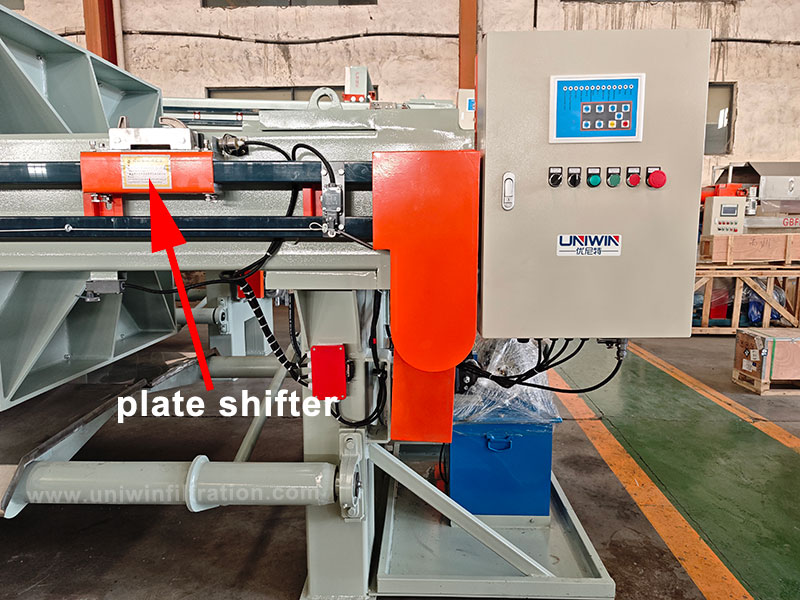
Observations during operation:
- Listen to the Sound: During normal operation, the sound should consist of a steady “hum” and a rhythmic “click” (the sound of the plate puller gripping and releasing the plates). Abnormal sounds include:
- Sharp Grinding/Friction Sounds: This may indicate the presence of foreign objects in the guide rails or damaged bearings in the plate puller’s wheels.
- Loud “Clanging” Impact Sounds: This indicates the plate puller is striking the filter plates; this may be caused by inaccurate program positioning or a sensor malfunction.
- Observe the Movement: Observe whether the plate puller travels smoothly, checking for any sticking or jittering. Verify that its actions of gripping and releasing the plates are decisive and fully executed. During the plate-pulling process, observe whether the filter plates remain aligned or if any are being pulled askew.
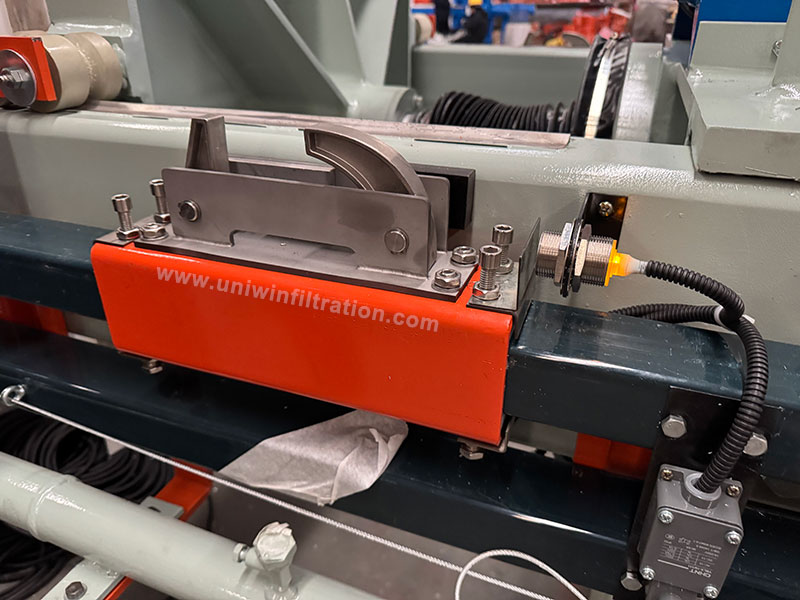
Regular Maintenance and Upkeep
Cleaning procedures:
Thoroughly clean the guide rails, chains, and racks, removing all accumulated debris and dirt. Clean the surfaces of all sensors.
Note: When cleaning, avoid directly rinsing the motors, sensors, and electrical control cabinet with water to prevent short circuits.
Lubrication and maintenance:
- Chains: Periodically lubricate using specialized chain oil. After lubrication, wipe off any excess oil to prevent dust accumulation.
- Guide Rails: Apply a small amount of grease to reduce friction. Be careful not to apply too much, as this may cause materials to adhere to the rails.
- Puller Bearings / Traveling Wheels: Periodically replenish with grease.
Key Point: Adhere to the specific lubrication points and intervals outlined in the equipment manual, and use the recommended types of lubricants.
Fastening and inspection:
Inspect and tighten all bolts, paying particular attention to connections at the plate shifter drive motor, reducer base, sensor brackets, and rail mounting bolts.
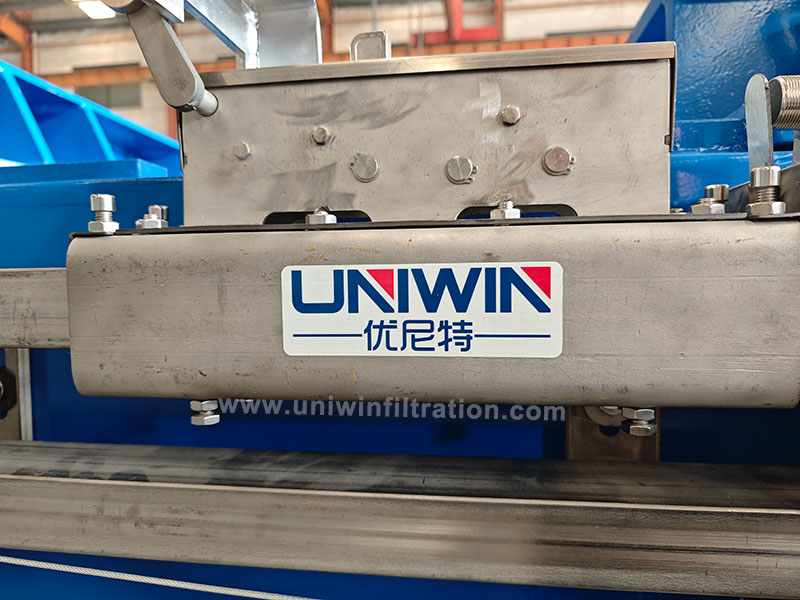
Inspection of wear parts:
- Plate Shifter Clamping Blocks (Friction Pads/Jaws): If wear exceeds 50% or cracks are present, the components must be replaced; failure to do so may result in plate slippage or a failure to grip securely.
- Drive Sprockets: Inspect for signs of wear, cracks, or elongation.
- Travel Wheels: Inspect for uniform wear and check for any deformation.
- Rails: Inspect for wear and straightness; in cases of severe wear, the rails must be replaced or adjusted.
Electrical and control system inspection:
- Inspect the sensitivity and reliability of all proximity switches and photoelectric sensors, and conduct simulated trigger tests.
- Verify that PLC input signals are functioning normally and that output commands are executed accurately.
- Clean dust from inside the electrical control cabinet and check for any loose wiring terminals.
Core Maintenance Principles
- Cleanliness Comes First: The greatest threat to an automatic plate-shifting system is the interference and resistance caused by the caking and hardening of sludge.
- Lubrication Must Be Moderate: Follow prescribed procedures—applying small amounts frequently—to prevent excess lubricant from attracting dust, which would otherwise exacerbate wear and tear.
- Sensors Are Key: 80% of system malfunctions stem from sensor contamination, misalignment, or damage. Maintaining their cleanliness and precise positioning is absolutely critical.
Conclusion
Before performing any maintenance—particularly electrical or software-related tasks—it is imperative to disconnect the power supply, affix warning signs, and strictly adhere to safety operating procedures. For complex malfunctions, it is recommended to contact the equipment manufacturer or professional maintenance personnel.