
What to Do If the Feed Concentration of the Filter Press is Low?
During the operation of a filter press, the feed concentration is one of the most important factors affecting filtration efficiency. Many users encounter the following problem: the equipment model is not small, the feed pump is working normally, but the filtration cycle is very long, the filter cake is very thin, and the output does not meet expectations. This situation is often not a problem with the filter press itself, but rather caused by an excessively low feed concentration.
A low feed concentration means that the slurry entering the filter press has a low solids content and a high water content. The filter press needs to process a large amount of water to form a filter cake of a certain thickness, so the filtration time will be longer, and the equipment efficiency will decrease.
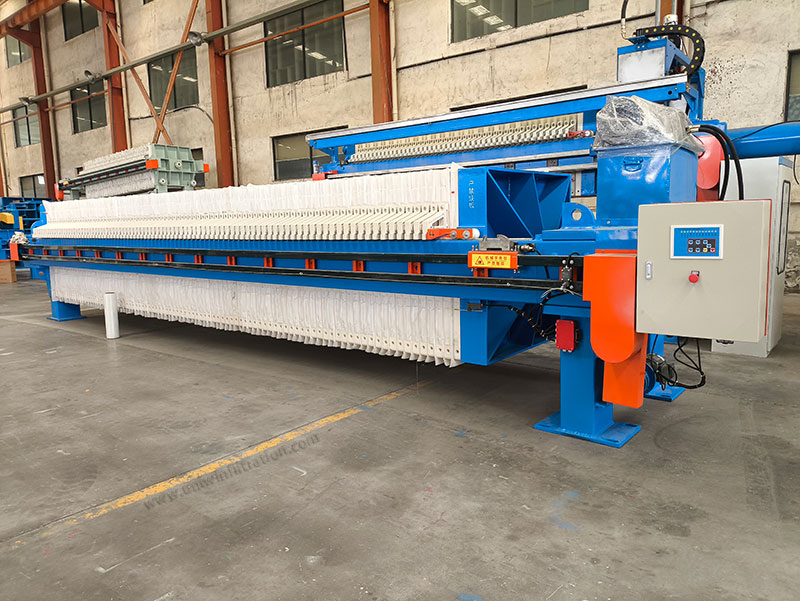
What is the Feed Concentration for A Filter Press?
The feed concentration for a filter press generally refers to the proportion of solid material in the slurry before it enters the filter press. A higher feed concentration means a greater solid content per unit volume of slurry; a lower feed concentration means a greater water content.
For example, when processing 10 m³ of slurry, a higher feed concentration may quickly form a thicker filter cake; a very low feed concentration requires the filter press to filter a large amount of clear liquid, resulting in a slower accumulation of solids in the filter chamber and a significantly longer filtration cycle.
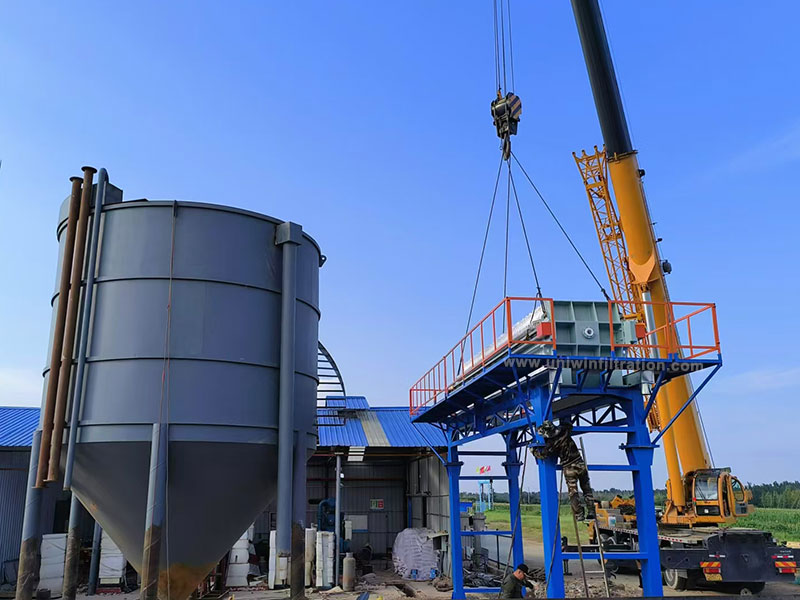
Disadvantages of Low Feed Concentration
Longer filtration cycles
When the feed concentration is low, the slurry contains fewer solids, and the filter chamber takes longer to fill with solids. This results in a longer cycle time for the filter press, fewer batches completed per unit time, and a decrease in overall throughput.
Filter cake too thin or not formed
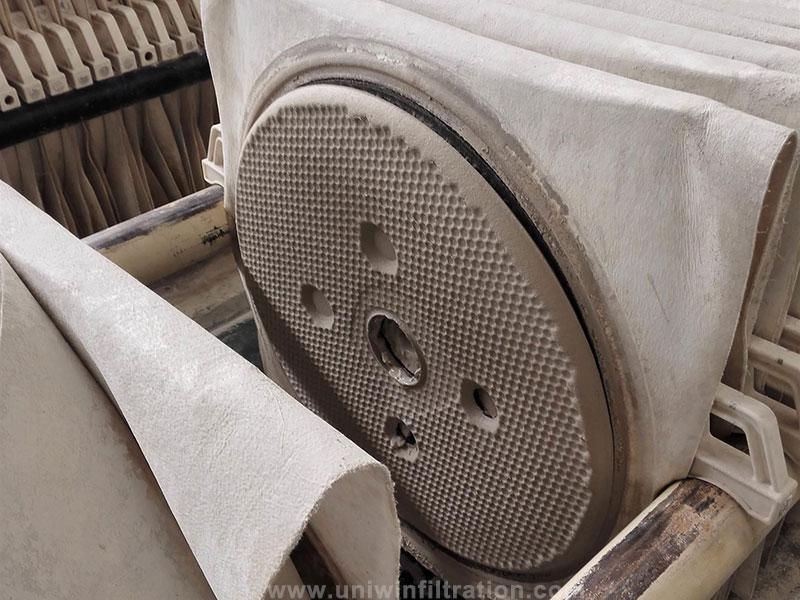
If the feed concentration is too low, insufficient solid accumulation in the filter chamber can easily lead to problems such as a thin or loose filter cake and incomplete discharge. A filter cake that is too thin not only affects the discharge effect but can also mislead customers into believing that the filter press is not drying properly or is inefficient.
Decreased equipment utilization
The filtration area and filter chamber volume of a filter press are selected based on a specific material concentration and throughput. If the actual feed concentration is far lower than the design conditions, although the equipment is running, the effective solids throughput is not high. This results in a large investment in equipment but insufficient actual production capacity.
Increased energy consumption and operating costs
When the feed concentration is low, the filter press needs to filter more water, increasing the operating time of the feed pump, hydraulic system, plate pulling system, and auxiliary equipment. The longer the filtration cycle, the higher the electricity consumption, labor, and maintenance costs will be.
Subsequent processing is inconvenient
If the filter cake is too thin, too wet, or poorly formed, subsequent belt conveying, tipping, loading, and stacking will all be affected. This is especially true for mine tailings, stone sludge, and sand washing sludge projects, where the filter cake condition directly impacts on-site management and transportation costs.
Solutions for Low Feed Concentration in Filter Presses
Add a pre-concentration stage
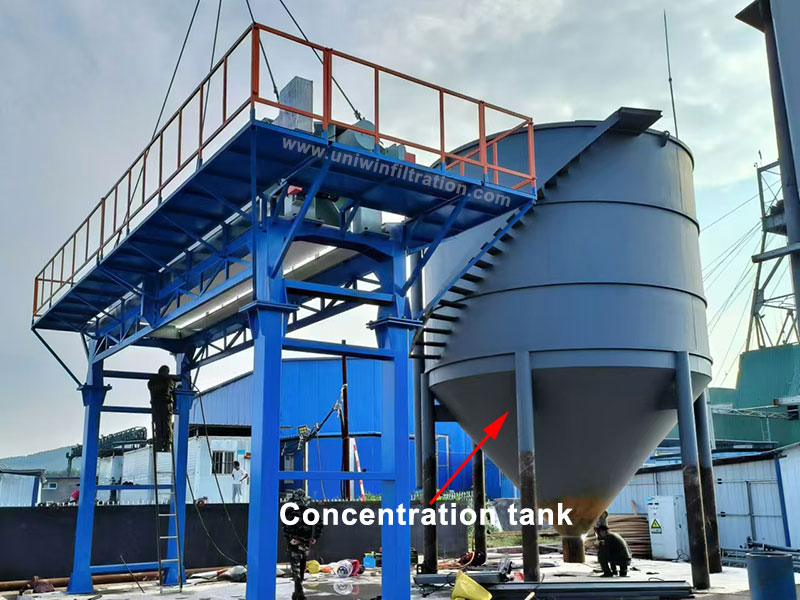
Consider adding a sedimentation tank, concentration tank, or thickening vessel before the filter press. Pre-concentration can remove some of the supernatant, increasing the solids concentration entering the filter press.
Optimizing flocculant dosage
If the material particles are fine and settle slowly, flocculants can improve the material’s state. A suitable flocculant can cause fine particles to quickly aggregate, forming flocs that are easier to filter. If the flocculation effect is good, the slurry settling speed will be faster, the material concentration entering the filter press will be more stable, and the filtration efficiency will be improved.
Use a suitable feed pump
The feed pump affects not only the pressure but also the stability of the feed. A suitable feed pump should be selected based on the filter press’s filtration area, filter chamber volume, material concentration, and on-site processing capacity.
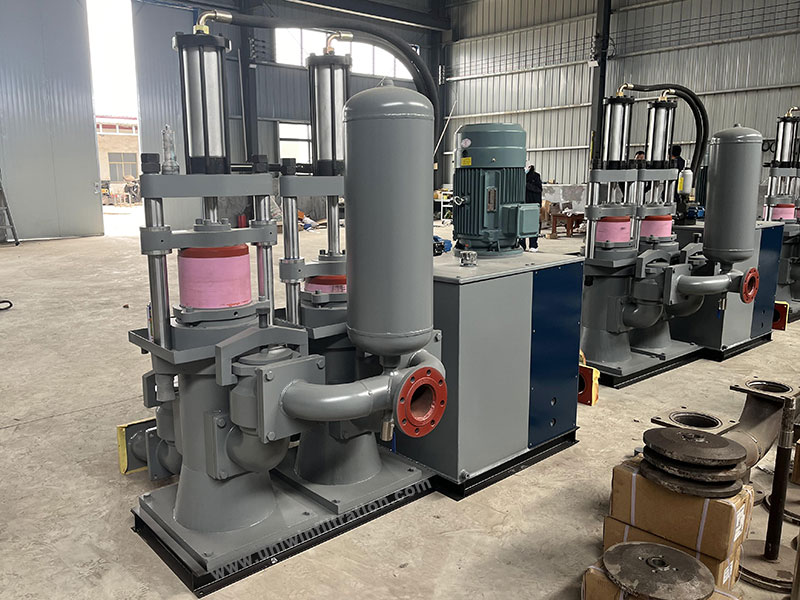
For some high-pressure dewatering projects, plunger pumps, diaphragm pumps, and other pump types more suitable for the filter press’s operating conditions may be considered.
Adjusting the filtration cycle
When the feed concentration is low, the filtration cycle can be adjusted appropriately according to the site conditions. If the filtrate discharge has decreased significantly and the pressure has risen to a stable range, it indicates that the filter cake has basically formed in the filter chamber, and the process can proceed to the pressure holding, pressing, or unloading stage.
Conclusion
Low feed concentration in a filter press leads to longer filtration cycles, thinner filter cakes, reduced equipment capacity, and increased operating costs.
If your filter press is experiencing problems such as low feed concentration, thin filter cakes, or long filtration cycles, please provide the material name, solids content, hourly throughput, feed pressure, and on-site photos. We can help you analyze the causes and provide a more suitable filter press solution.