
8 Technical Issues You Must Confirm Before Purchasing a Filter Press
When purchasing a filter press, consider not just the price, filtration area, or manufacturer’s quote. The key to a filter press’s effectiveness lies in whether the equipment truly matches the material characteristics, processing capacity, moisture content requirements, level of automation, and on-site operating conditions. Before purchasing, it is recommended to verify the following eight technical issues.
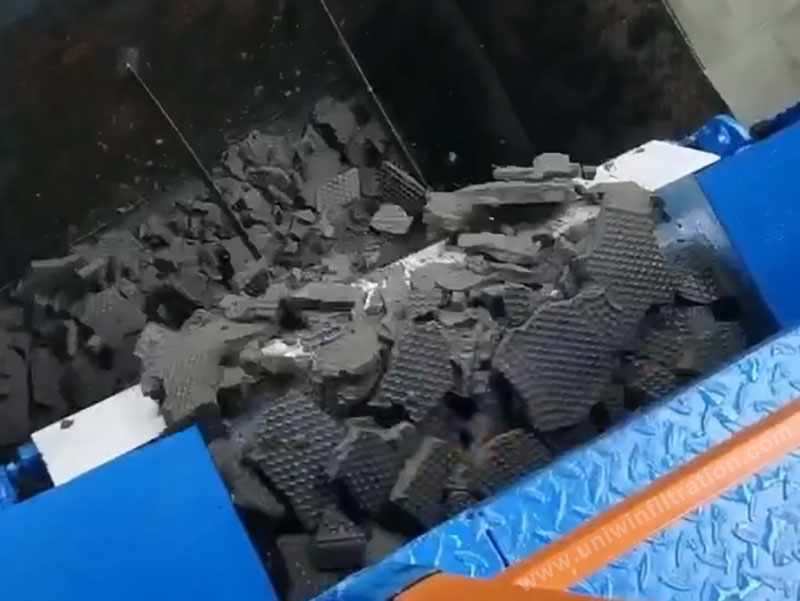
Is the Material Suitable?
Different materials vary greatly in particle size, viscosity, concentration, acidity/alkalinity, temperature, and corrosivity, directly affecting filtration speed, filter cake formation, and filter cloth lifespan.
Key points to confirm:
- Material name and source
- Solid content or concentration
- Particle size distribution
- pH value
- Temperature
- Whether it contains oil, colloids, fibers, or sticky components
- Whether it has corrosive, toxic, or flammable/explosive risks
If the material particles are too fine, have high viscosity, or a high colloid content, flocculation, conditioning, or small-scale experiments may be necessary beforehand; otherwise, problems such as slow filtration, incomplete filter cake formation, and filter cloth clogging may occur.
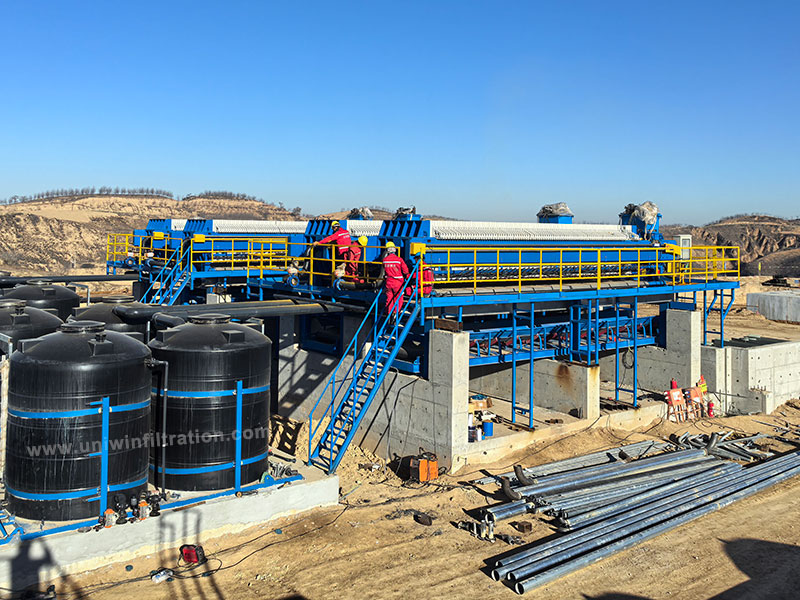
Daily Material Processing Capacity
Processing capacity is a crucial factor in selecting the filter press model. Before purchasing, it’s insufficient to simply state “how many tons of sludge per day” or “how many cubic meters of slurry per hour”; the operating hours and feed concentration must also be clearly defined.
Required confirmation:
- Hourly processing capacity
- Total daily processing capacity
- Single batch filtration cycle
- Feed concentration
- Filter cake yield
- Continuous production required
Filter presses are intermittent filtration equipment; selection cannot be based solely on flow rate. A comprehensive calculation must consider factors such as single-batch feeding time, pressing time, unloading time, and washing time.
Requirements for Filter Cake Moisture Content
Filter cake moisture content is a key indicator for many users, but it’s not solely determined by the filter press model. It’s also related to material properties, feed pressure, filter cloth selection, pressing method, holding time, and chemical conditioning.
Before purchasing, the following needs to be clarified:
- Target filter cake moisture content
- Filter cake moisture content under current processing methods
- Is diaphragm pressing required?
- Is air blowing, backflushing, or secondary pressing required?
If high moisture content is required, ordinary plate and frame filter presses or chamber filter presses may not be sufficient. Diaphragm filter presses, high-pressure pressing, air purging, or material pretreatment solutions need to be considered.
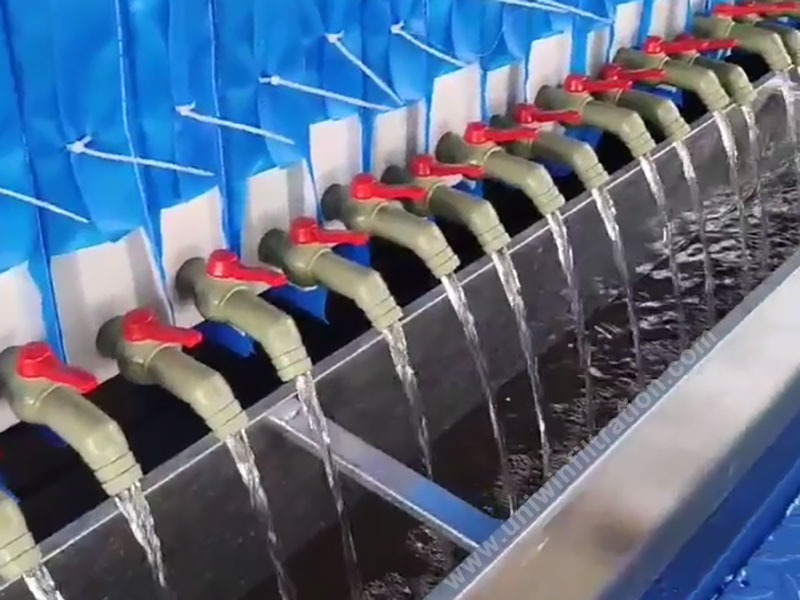
Requirements for Filtrate Clarity
Some industries, such as chemical, mining, food, pharmaceutical, and wastewater treatment, have different requirements for filtrate clarity, suspended solids content, or reuse standards.
It is necessary to confirm in advance:
- Whether the filtrate is recycled
- Whether the filtrate needs to meet discharge standards
- Whether an open or hidden flow is required
- Whether a filtrate collection system is needed
- Whether filter cake washing is required
If high filtrate requirements are needed, special attention should be paid to filter cloth precision, filter plate sealing, feed pressure stability, and the initial filtrate recirculation design.
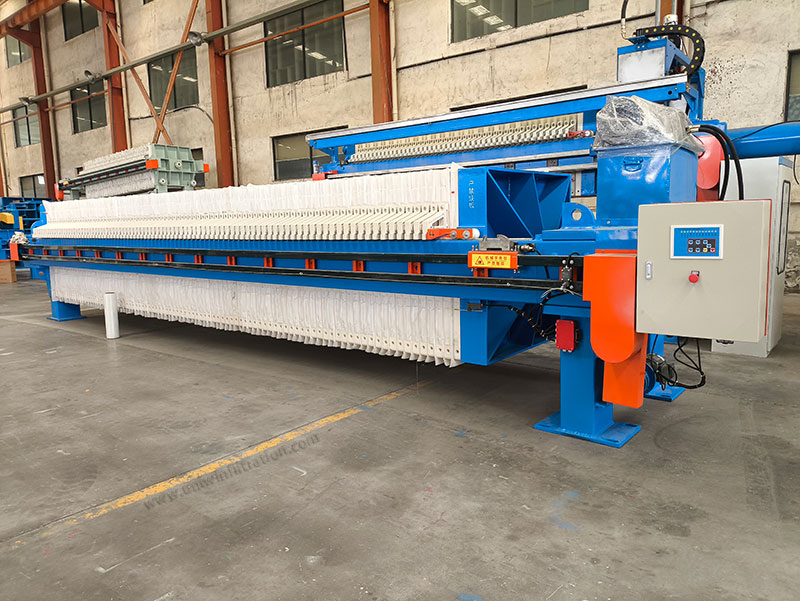
Filter Press Type Selection
Different types of filter presses are suitable for different applications and cannot be selected solely based on price.
Common choices are as follows:
- Chamber filter press: Widely applicable, cost-effective, suitable for sludge dewatering, mining, chemical, and environmental protection.
- Plate and frame filter press: The filter chamber consists of filter plates and frames, suitable for fine chemicals, food, pharmaceuticals, etc.
- Diaphragm filter press: Allows for secondary pressing, resulting in lower filter cake moisture content, suitable for materials requiring high dewatering efficiency.
- Fully automatic filter press: Automatically feeds, presses, pulls plates, washes cloth, etc., providing a high-efficiency, minimally manned production line.
For ordinary sludge dewatering, chamber filter presses are generally more common; for lower moisture content requirements, diaphragm filter presses are more suitable; for large throughput or high labor costs, automated configurations should be prioritized.
Is the Feed Pressure Compatible With the Pump?
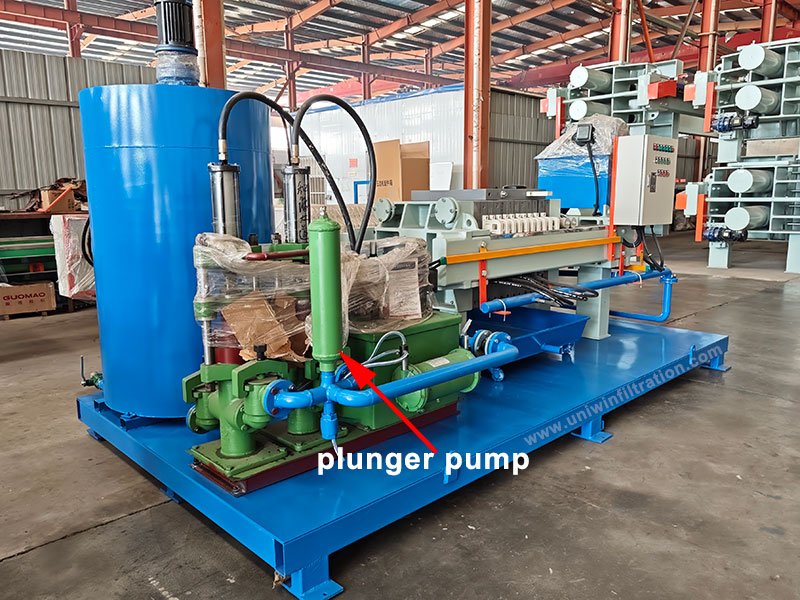
The filter press itself is only one part of the filtration system; the selection of the feed pump is equally important. The pump’s flow rate, head, pressure, corrosion resistance, and adjustment method all affect the filtration effect.
Before purchasing, confirm:
- Feed pressure range
- Maximum working pressure
- Feed pump type
- Is the pump material corrosion-resistant?
- Is frequency converter control required?
- Is the pipe diameter compatible?
Common feed pumps include screw pumps, diaphragm pumps, centrifugal pumps, and plunger pumps. Different materials require different pump types. For example, high-viscosity sludge often uses screw pumps, while corrosive materials require pumps made of corrosion-resistant materials.
Automation Level
Filter presses can range from manual to fully automatic, with significant differences in configuration. Higher automation levels mean higher investment costs, but reduce labor intensity and improve operational stability.
Common automation configurations include:
- Automatic pressure holding
- Automatic plate shifter
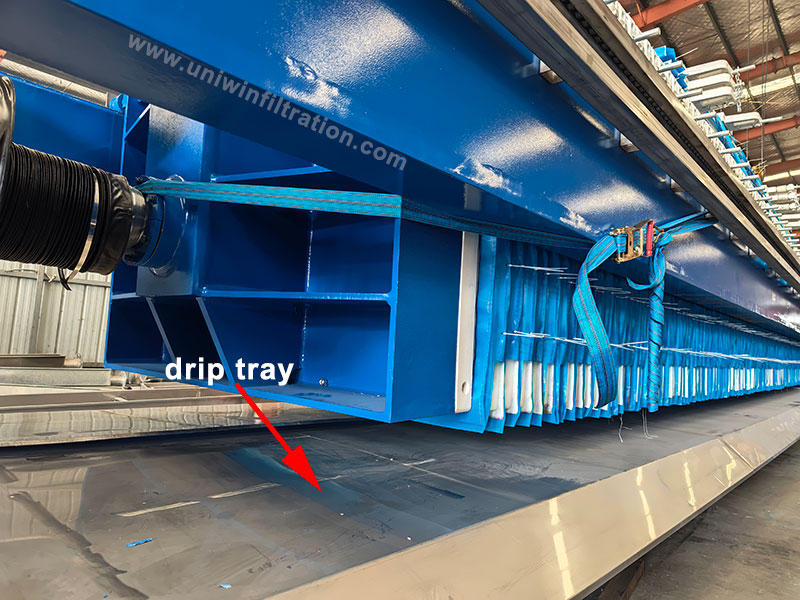
- Automatic drip tray
- Automatic washing system
- Automatic cake unloading
- PLC control
Before purchasing, it’s essential to consider on-site personnel availability, production pace, material viscosity, and cake unloading difficulty.
Are the On-Site Installation Conditions Met?
Filter presses are large and heavy, requiring reserved space for operation, unloading, and maintenance.
The following needs to be confirmed:
- Equipment installation dimensions
- Plant height
- Lifting conditions
- Cake unloading method
- Cake conveying method
- Filtrate discharge location
- Power supply, voltage, and gas supply conditions
- Is corrosion protection, explosion protection, or outdoor protection required?
- Is sufficient space available for future maintenance?
If on-site space is limited, the manufacturer should be requested to provide equipment layout drawings, foundation drawings, and pipeline interface diagrams in advance to avoid installation difficulties or operational inconvenience after the equipment arrives on site.
Conclusion
The above eight technical issues must be confirmed before purchasing a filter press. Only when these issues are clearly understood can the manufacturer make an accurate selection.
For filter press purchases, suitability is more important than price. The more thorough the technical communication in the early stages, the more stable the equipment will be in operation later.