
Filter Press Washing Precautions
Filter presses are typically used in industries such as sludge dewatering, mining, chemicals, food processing, stone wastewater treatment, and dyeing wastewater treatment, requiring long-term continuous operation. In practical use, in addition to proper equipment operation, regular cleaning of the filter press is a crucial maintenance task.
Therefore, it is recommended to establish a reasonable cleaning cycle based on the actual material conditions, with the filter cloth as a focus of daily maintenance.
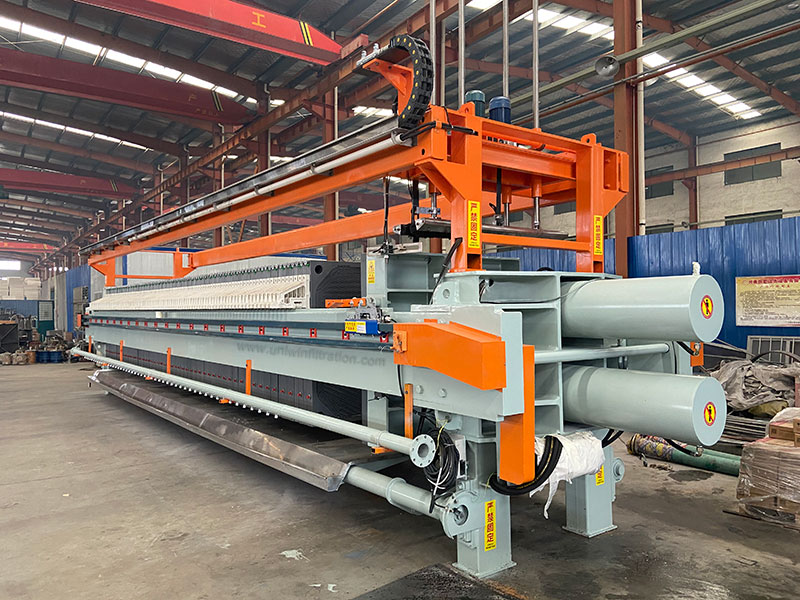
Why Do Filter Presses Need Regular Cleaning?
Over time, fine particles, grease, colloids, or other materials will gradually accumulate on the surface of the filter cloth and inside the filter pores. If not cleaned regularly, this will not only affect the filtration speed but may also cause problems such as filter cloth clogging, increased moisture content in the filter cake, and prolonged filtration cycles.
Filter Cloth is the Key Component to Clean
In the entire filtration system of a filter press, the filter cloth is the component that has the most direct contact with the material and is also the most prone to clogging. After each unloading, the surface of the filter cloth should be inspected for any obvious residue.
If the material is easily detached, the filter cloth can be rinsed with clean water; for fine particles, highly viscous materials, or materials that easily clog the filter cloth, the cleaning frequency needs to be increased appropriately.
For continuously operating filter presses, it is generally recommended to check and clean the filter cloth before the end of each workday.
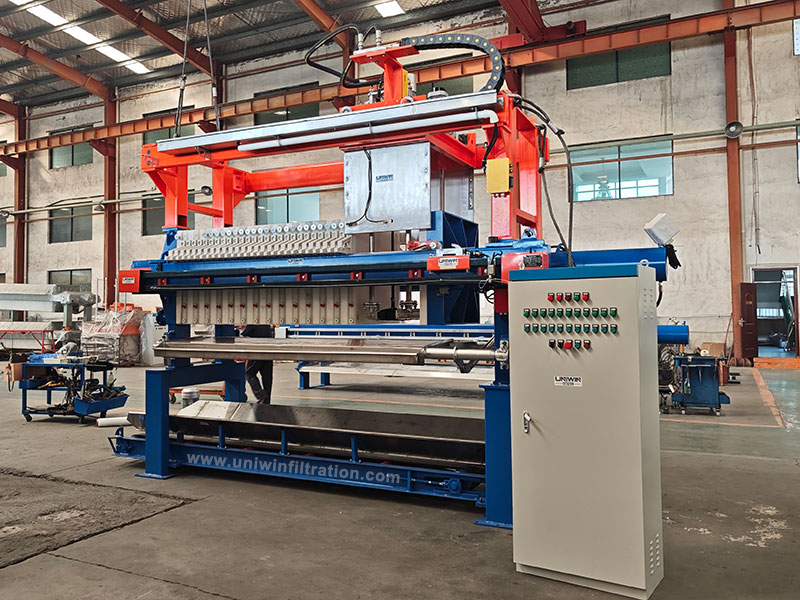
Don’t Use Excessive Pressure During Washing
Using excessive pressure to rinse the filter cloth at close range may damage the filter cloth fibers and even cause partial breakage. It is recommended to maintain an appropriate distance and allow the water flow to evenly rinse the filter cloth surface.
If the filter cloth is visibly aged or damaged, cleaning alone usually cannot restore its normal filtration performance; the filter cloth should be replaced promptly.
Different Materials Require Different Cleaning Methods
The materials processed by filter presses vary greatly; therefore, the cleaning methods for filter cloths cannot be completely identical.
For example, residues in ordinary inorganic sludge, mineral slurry, or stone wastewater can often be directly rinsed with clean water.
However, for oily, highly viscous, or easily crystallizing materials, using only water may not completely remove the blockage. If necessary, a suitable cleaning method should be selected based on the properties of the material.
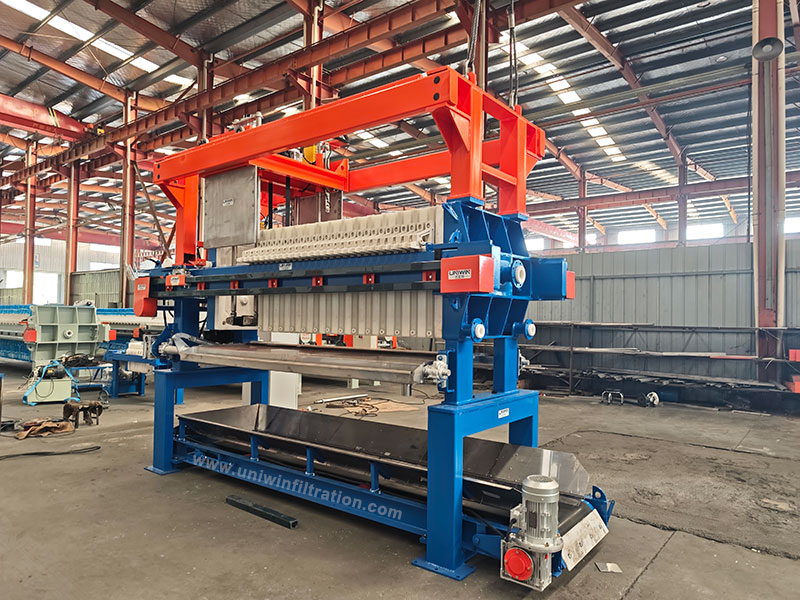
Cleaning the Filter Plate Sealing Surface
Besides the filter cloth, the filter plate is another important part to clean daily. After unloading, check the surface of the filter plate and the surrounding sealing area for any remaining filter cake.
If the filter plate sealing surface contains filter cake, particles, or foreign matter, it may prevent the filter plate from fully adhering during the next pressing and filtration process.
Therefore, ensure the filter plate sealing surface is clean before re-pressing the filter plate.
Check the Filtrate Holes and Drainage Channels
Filter press plates typically have filtrate drainage channels inside. Over time, fine particles may enter the filtrate holes or drainage channels, causing a decrease in drainage rate.
In addition to checking the filter cloth, the filtrate holes and related pipes should also be checked for blockages. If necessary, backwashing or clearing with clean water can be used.
Ensure Equipment is in A Safe Condition Before Cleaning
Before performing manual cleaning, inspecting filter cloths, or addressing blockages, ensure the equipment is completely stopped.
For filter presses with automatic plate pulling, automatic water washing, or other highly automated processes, take special care to prevent sudden start-ups.
If the equipment handles high-temperature, corrosive, or hazardous materials, appropriate personal protective equipment should be used according to the site conditions.
Conclusion
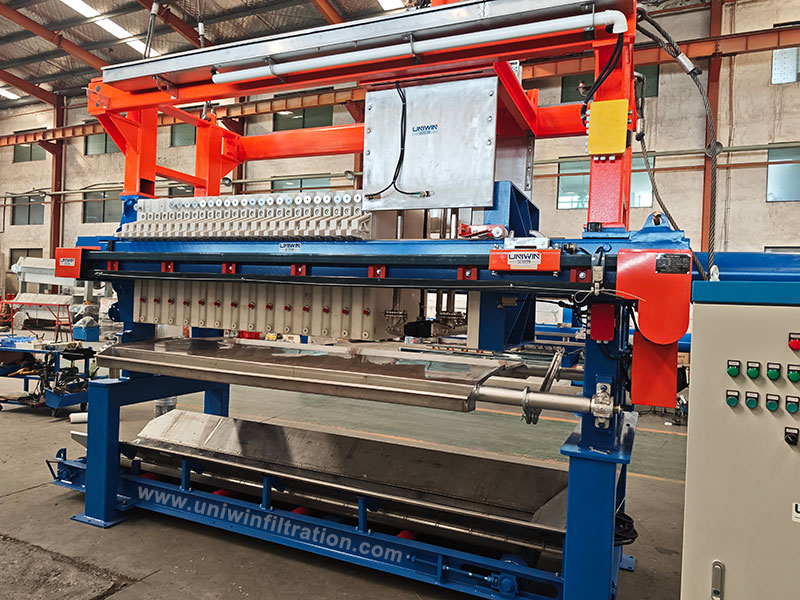
Good cleaning and maintenance practices can help filter presses maintain stable filtration speeds, reduce filter cloth clogging and abnormal material leakage, and lower unnecessary maintenance costs.
If your filter press experiences problems such as slow filtration speed, excessively wet filter cake, difficulty unloading, or frequent filter cloth clogging, please provide us with relevant information. We can help analyze the causes and provide corresponding solutions based on the actual operating conditions.