
How To Minimize Costs When Selecting A Filter Press?
The purchase cost is often the primary concern for customers, as filter press prices vary significantly. However, the initial purchase price should not be the only factor considered. Long-term costs are truly determined by whether the overall solution is well-suited to the specific material, required processing capacity, target filter cake moisture content, labor costs, and on-site operational methods.
To save costs with a filter press, the key is not simply buying the cheapest machine, but selecting a cost-effective solution best suited to the specific operating conditions.
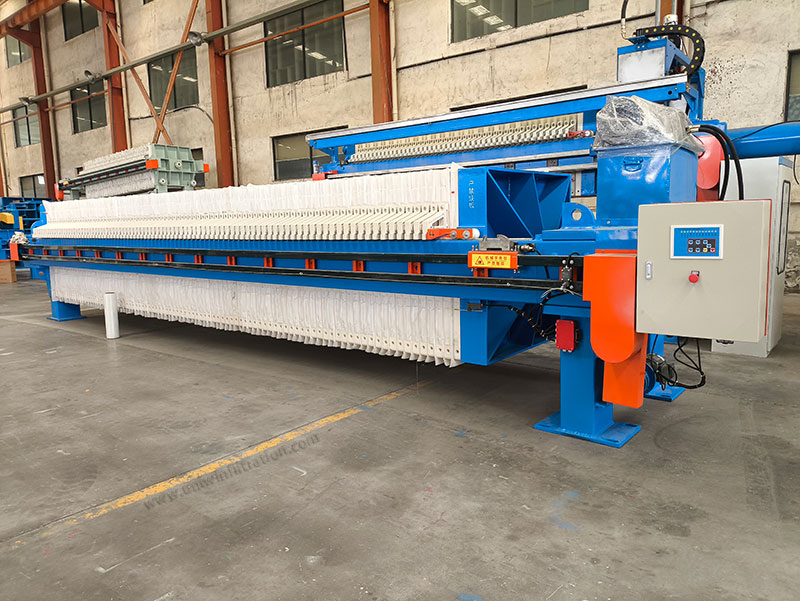
Low Processing Volume: Opt for a Basic Configuration
If daily processing volume is low, operating hours are limited, and automation requirements are minimal, a basic filter press configuration—without automated equipment—is a suitable choice.
The advantages of this approach include lower procurement costs, a simple structure, and ease of maintenance. For projects with low processing volumes, there is no need to select a highly automated configuration from the start; doing so would significantly increase equipment investment without being justified by the actual frequency of use.
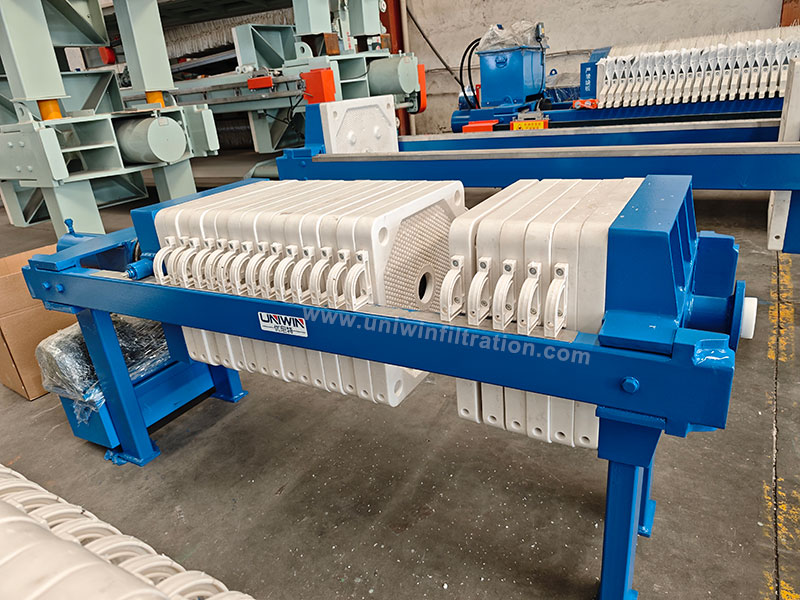
For Moderate Processing Volumes: Choose Automatic Plate Shifter
If you need to consistently process a certain volume of sludge or slurry daily, and manual cake discharge takes too long, an automatic plate-shifting filter press is recommended.
Automatic plate shifting eliminates the need to manually move plates one by one, thereby increasing cake discharge efficiency. While the initial cost is higher than that of basic models, automatic plate-shifting filter presses save on long-term labor costs and reduce downtime caused by slow cake discharge.
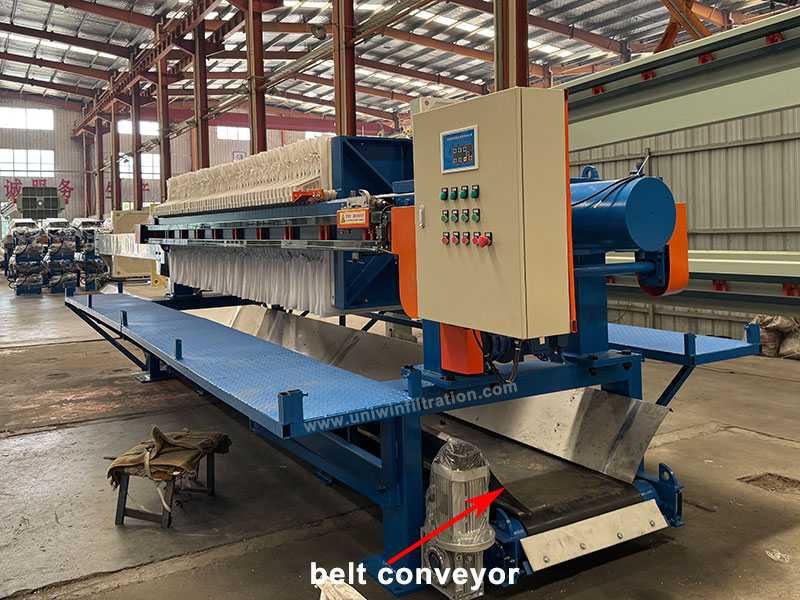
High Filter Cake Volume: Adding a Belt Conveyor
If a filter press generates a large volume of filter cake daily, relying solely on manual labor to collect and transport the cake using carts is labor-intensive and tends to create a messy work environment.
For such operating conditions, installing a belt conveyor is recommended. Once discharged, the filter cake falls directly onto the conveyor and is transported to a designated location, a storage hopper, or a loading area for transport vehicles.
Although a belt conveyor increases initial equipment investment, for projects with high filter cake volumes, it significantly reduces the costs associated with manual cleanup and handling.
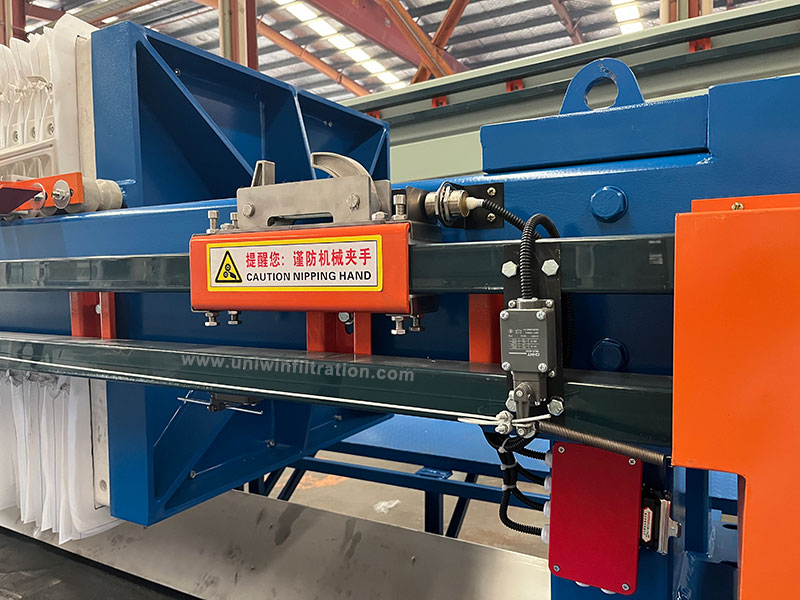
For Low Filter Cake Moisture Requirements: Choose a membrane filter press.
Some projects may appear to involve higher upfront equipment costs, yet prove more cost-effective in the long run. The membrane filter press is a prime example of this.
Membrane filter presses allow for a secondary pressing stage after the initial feed cycle, further reducing the moisture content of the filter cake. A drier, lighter filter cake translates to lower costs for subsequent transportation, stockpiling, and disposal.
If the filter cake requires off-site disposal, every reduction in moisture content can lead to long-term savings on transportation fees. For high-volume projects, these savings can easily outweigh the initial price difference of the equipment.
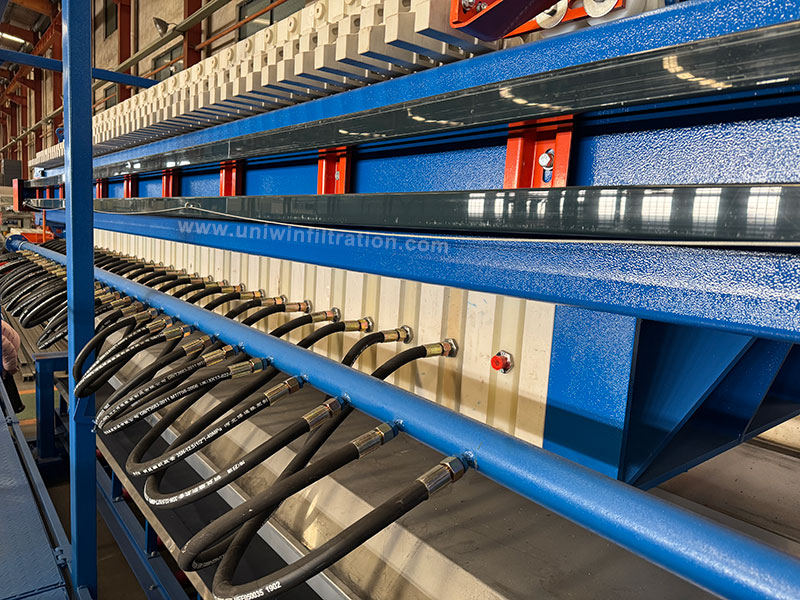
Filter Cloth Clogging: Choosing the Right Cloth
Filter cloth is a critical consumable in the operation of a filter press. Once the cloth becomes clogged, filtration cycles lengthen and processing capacity drops, necessitating frequent cleaning or replacement. While it may seem like a way to save money on the cloth itself, it actually drives up labor and downtime costs.
The true cost-saving strategy is not to choose the cheapest filter cloth, but rather the one best suited to the specific material being processed.
Corrosive Materials: Do Not Blindly Cut Costs on Materials
For corrosive materials, select an anti-corrosion strategy based on the severity of the corrosion:
- Mild corrosion: Anti-corrosion coatings or corrosion-resistant treatment for contact parts
- Moderate to severe corrosion: Stainless steel cladding or stainless steel contact parts
- Strong acids and alkalis: Specialized materials for filter plates, filter cloths, pumps, and piping
- Food or sanitary grade requirements: Stainless steel construction or stainless steel contact parts
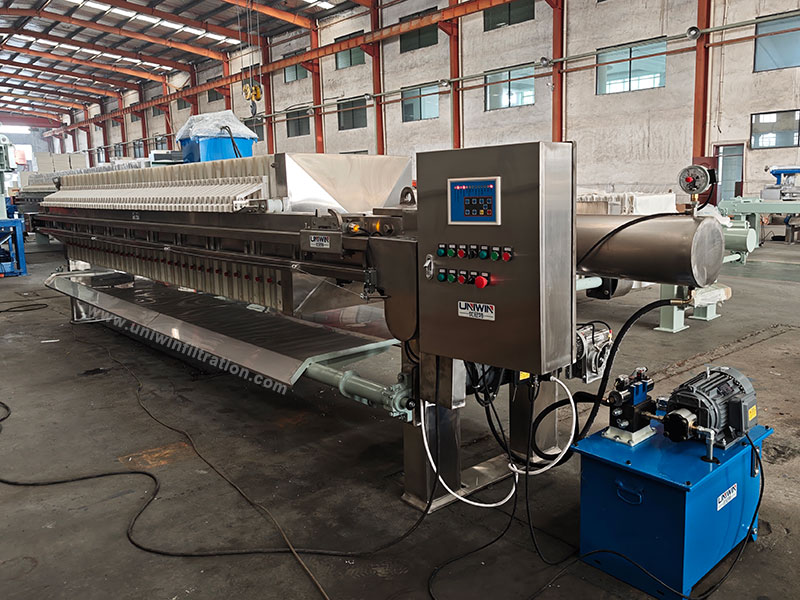
Feed Pump Selection
High operating costs for many filter presses are often not due to the press itself, but rather to an incorrect choice of feed pump.
Common feed pumps include diaphragm pumps, screw pumps, centrifugal pumps, plunger pumps, and slurry pumps. Different materials require different types of pumps; therefore, the pump must be selected in conjunction with the filter press.
Conclusion
The key to genuine cost savings when selecting a filter press lies in developing a solution tailored to actual operating conditions. Therefore, a cheaper filter press does not necessarily save money, nor is a higher-end configuration always the best choice. A truly cost-effective solution strikes a balance among procurement, operating, labor, and maintenance costs, as well as processing performance.