
Differences Between Automatic and Manual Filter Presses
In industrial production, solid-liquid separation is a crucial step across many sectors. As highly efficient filtration equipment, filter presses are widely used in fields such as wastewater treatment, mining, chemicals, food processing, and pharmaceuticals.
Filter presses come in two main types: automatic and manual. This article provides a detailed analysis comparing them in terms of operating methods, production efficiency, and operating costs.
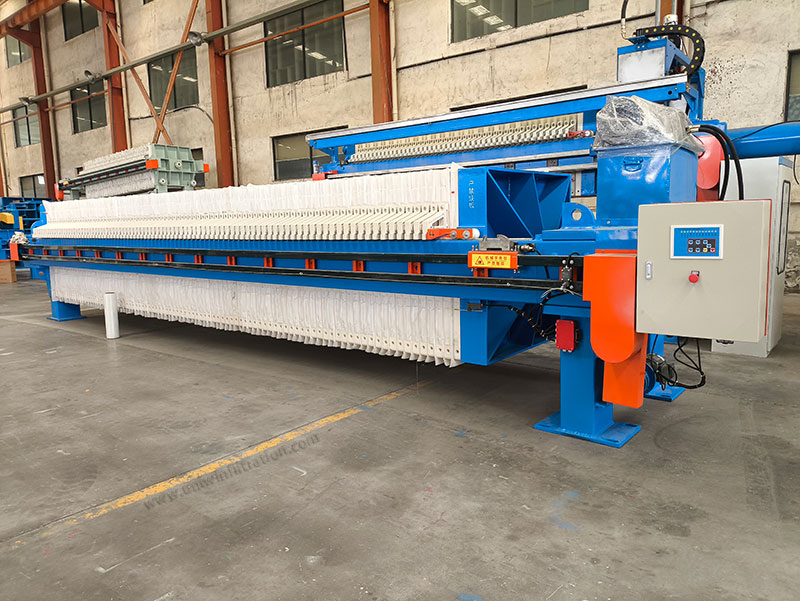
Differences in Operation
Automatic filter presses utilize an automated control system; a PLC manages various stages—such as clamping the filter plates, filtration, pressure maintenance, and discharge—meaning operators only need to configure parameters and perform routine inspections.
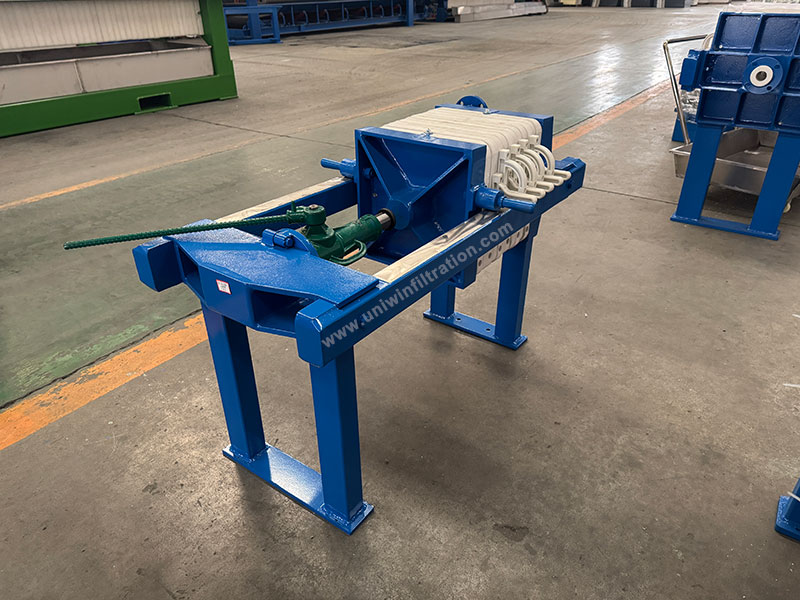
In contrast, manual filter presses require the operator to handle equipment operations personally—including manually clamping and opening the filter plates and clearing the filter cake—making the entire filtration process heavily dependent on the operator.
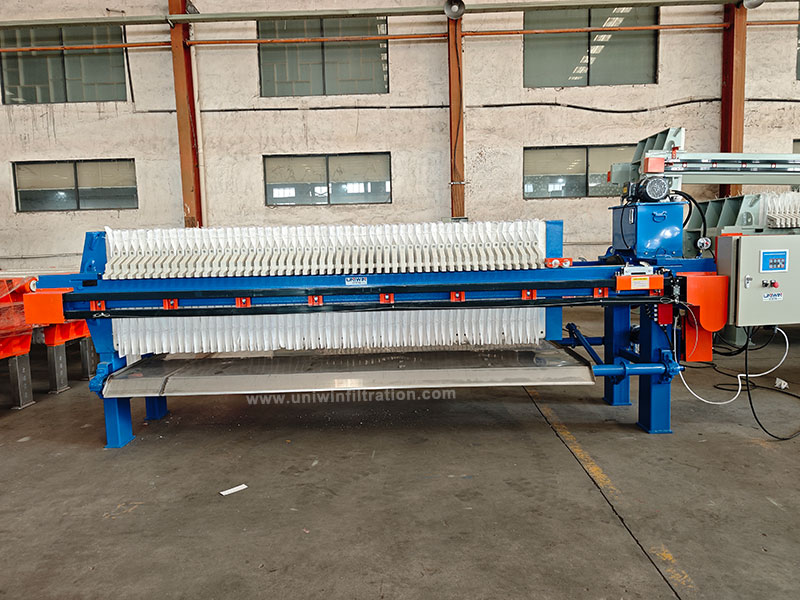
Varying Degrees of Automation
The primary advantage of automatic filter presses is their high level of automation.
Common automated functions include:
- Automatic hydraulic compressing
- Automatic plate shifting and discharge
- Automatic drip tray operation
- Automatic belt conveyor transport
- Automatic filter cloth washing
- Automatic operational control
These features reduce the need for manual intervention and enhance the operational stability of the equipment.
Differences in Production Efficiency
Automatic filter presses offer a distinct advantage when processing large volumes of material.
Automatic filter presses can perform multiple filtration cycles continuously with consistent cycle times, making them suitable for prolonged operation. In contrast, manual filter presses require human intervention; the machine must be stopped after each cycle for discharge and cleaning, resulting in relatively lower production efficiency.
Differences in Labor Costs
Although manual filter presses require a lower initial investment, they demand more manual labor during long-term operation.
In contrast, automatic filter presses reduce labor requirements; a single operator can manage multiple units, making them particularly suitable for large-scale manufacturing enterprises.
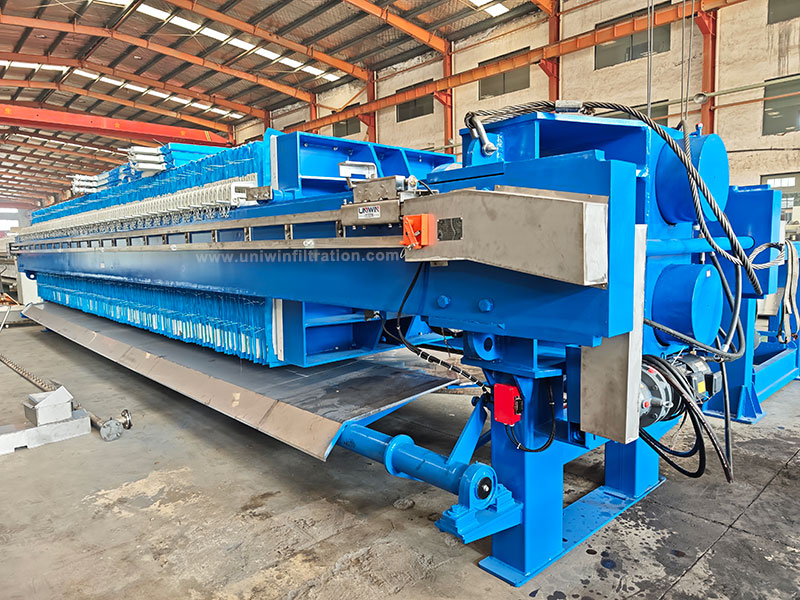
Differences in Equipment Price and Maintenance Costs
Manual filter presses require a lower initial investment, making them suitable for small-scale projects with limited budgets. They feature a simple structure that facilitates easy maintenance and keeps troubleshooting costs low.
Automatic filter presses come with more advanced configurations, resulting in higher procurement costs. Although they have more demanding maintenance requirements, the use of standardized control systems ensures greater operational stability and production efficiency.
Advantages of Automatic Filter Presses
Increased production efficiency
Automated operation reduces manual labor time, enabling rapid filtration and continuous production.
Reduced labor requirements
Key operational processes are automated, effectively lowering staffing needs and long-term operating costs.
More consistent filtration results
Controlling parameters such as pressure and filtration time ensures consistent performance across every filtration cycle.
Suitable for large-scale industrial applications
Automatic filter presses are ideal for industries requiring large-scale, continuous production, significantly boosting efficiency.
In contrast, manual filter presses feature a simpler design and rely on manual operation; lacking complex control systems, they come at a lower cost.
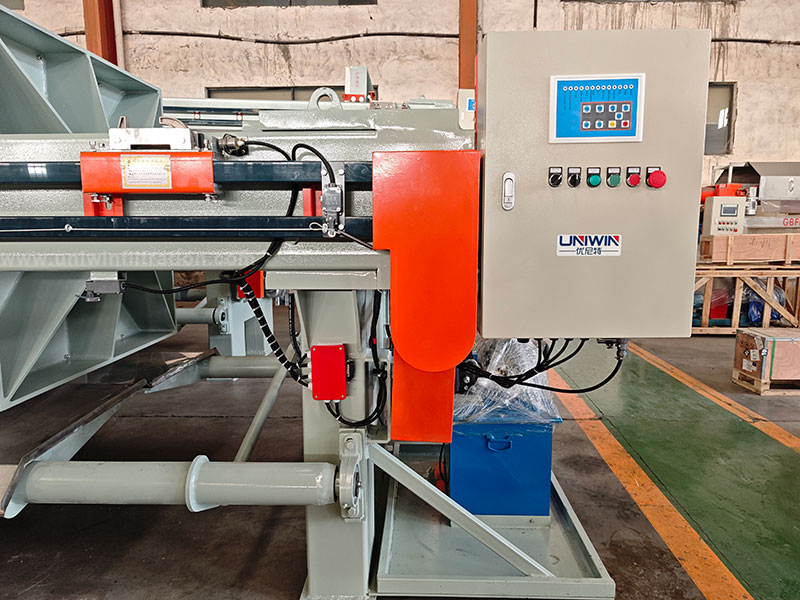
Advantages of Manual Filter Presses
Low investment cost
Manual filter presses are an economical and practical choice for enterprises with lower filtration volumes.
Simple and reliable structure
Maintenance is easier due to the absence of complex automatic control systems.
High flexibility
Suitable for batch production or experimental testing environments.
Conclusion
Automatic and manual filter presses each have their own advantages; neither is inherently superior to the other. The choice of equipment depends primarily on factors such as the enterprise’s processing volume, production model, labor costs, and long-term operational requirements.
Before purchasing a filter press, it is advisable to conduct tests and evaluations based on the specific characteristics of the materials to ensure the selection of equipment best suited to your production needs.