
How to Reduce Filter Press Failure Rate?
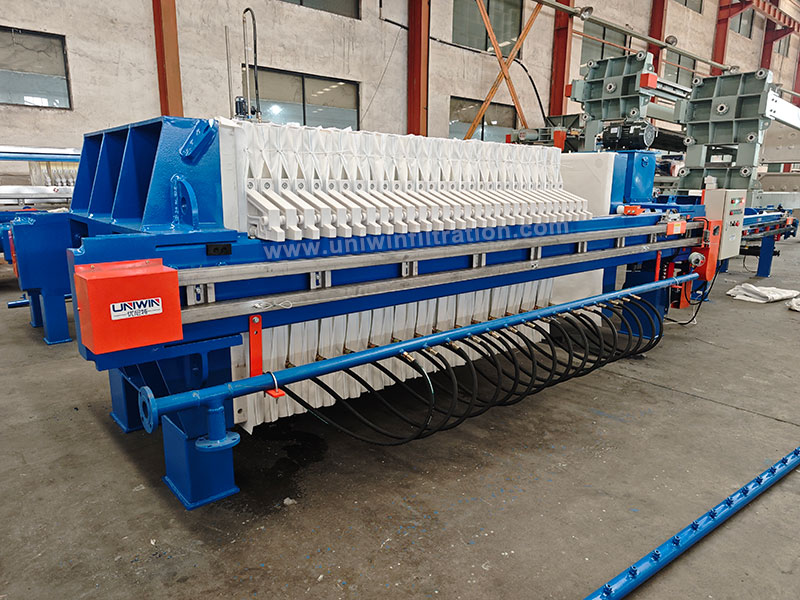
Filter presses are crucial equipment in industries such as sludge dewatering, tailings treatment, sand washing and dewatering, and chemical filtration. Their operational stability directly impacts production efficiency and enterprise operating costs. Frequent leaks, hydraulic failures, damaged filter plates, or clogged filter cloths not only cause repair downtime but also increase labor and maintenance costs.
This article summarizes several practical methods to reduce filter press failure rates and extend equipment lifespan.
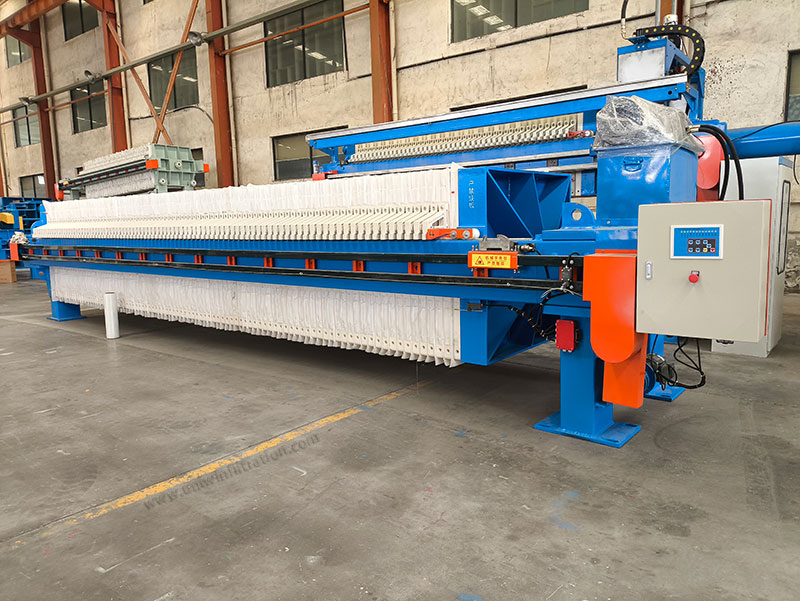
Choose A Filter Press That Matches Your Operating Conditions
Different materials have different particle sizes, solid content, viscosity, corrosiveness, and filtration requirements. If the equipment model is incompatible with the actual operating conditions, prolonged overload operation can easily lead to premature damage to components such as the hydraulic system, filter plates, and filter cloth.
It is recommended to provide the following information before purchasing:
- Type of material to be processed
- Hourly throughput
- Solid content
- pH value
- Operating temperature
- Filter cake moisture content requirement
- Continuous operating time
Scientific selection can reduce the risk of equipment failure from the outset.
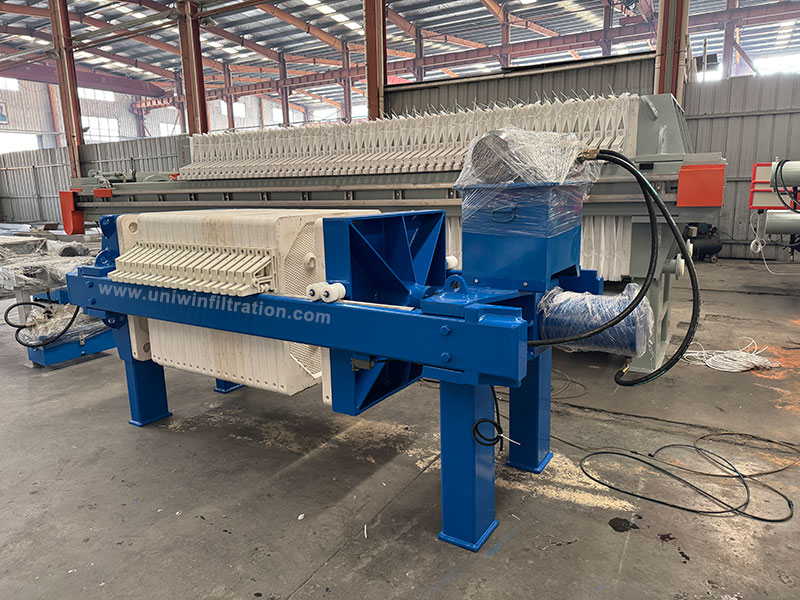
Strictly Control Feed Concentration And Pressure
Feed conditions directly affect the operating status of the filter press. If the feed concentration is too high, it can easily cause filter chamber blockage and uneven stress on the filter plates. It is recommended to control the feed flow rate and pressure according to the manufacturer’s parameters to avoid frequent overload conditions.
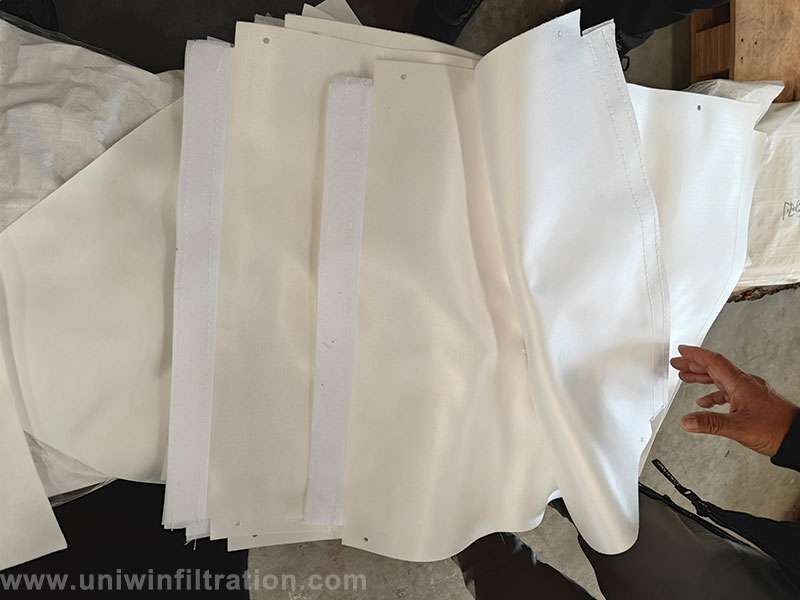
Regularly Clean The Filter Cloth
Filter cloth clogging is one of the most common problems with filter presses. Over time, fine particles can clog the pores of the filter cloth, leading to decreased filtration speed, cloudy filtrate, and increased moisture content in the filter cake.
It is recommended to develop a filter cloth cleaning schedule based on the characteristics of the material and clean the filter cloth promptly to prevent equipment malfunction. Keeping the filter cloth clean not only improves filtration efficiency but also reduces equipment load.
Regularly Inspect The Hydraulic System
The hydraulic system is the core power system of the filter press, and its stability directly affects the operation of the equipment.
Daily checks should focus on:
- Whether the hydraulic oil level is normal;
- Whether the oil is contaminated;
- Whether the oil pipes are leaking;
- Whether the seals are aging;
- Whether the hydraulic pressure is stable.
At the same time, the hydraulic oil and filter element should be replaced regularly according to the equipment manual to prevent valve jamming or hydraulic pump wear caused by oil contamination.
Check The Condition Of The Filter Plates
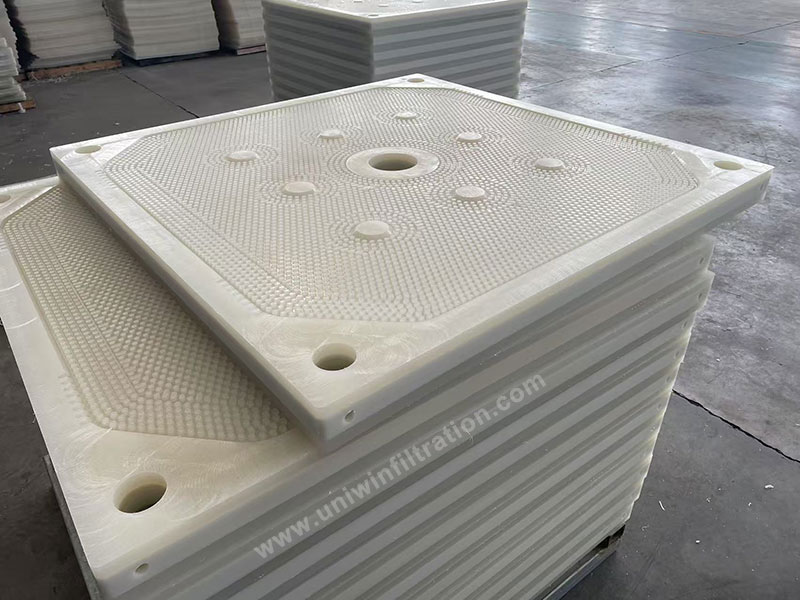
Filter plates operate under pressure for extended periods, which may lead to wear, deformation, or damage to the sealing surfaces.
It is recommended to check the following before each startup:
- Whether the filter plates are neatly arranged
- Whether the sealing surfaces are clean
- Whether there are cracks
- Whether there is obvious deformation
If any abnormalities are found, replace the filter plates immediately to prevent further damage.
Standardized Operating Procedures
Many filter press malfunctions are not due to equipment quality issues, but rather to improper operation.
Establishing standardized operating procedures and training operators can effectively reduce human-caused failures.
Proper Maintenance and Replacement of Wear Parts
Some components of a filter press are wear parts (such as filter plates, filter cloth, and seals), and a system for regular inspection and replacement should be established.
Do not wait until parts are completely damaged before replacing them. Preventative maintenance is usually less costly and can reduce unexpected downtime.
Regular Maintenance
Compared to repairs after a failure, preventative maintenance is more effective in ensuring stable equipment operation. Regular maintenance allows for the detection of potential problems before they occur.
Choosing A Reliable Supplier
Equipment quality and after-sales service also significantly impact the failure rate of filter presses.
Comprehensive after-sales service not only shortens repair time but also helps companies optimize equipment operation and management.
Conclusion
Reducing the failure rate of filter presses is not achieved through a single measure, but rather through the combined effects of equipment selection, standardized operation, routine maintenance, and preventative care. Enterprises should establish comprehensive equipment management systems, regularly inspect hydraulic systems, filter plates, filter cloths, and electrical control systems, and optimize operating parameters based on actual working conditions.
Through scientific maintenance and standardized management, not only can downtime be reduced, but filtration efficiency can also be improved, equipment lifespan extended, maintenance costs saved, and overall production efficiency enhanced.